Anyone who has hoisted a 22-kilogram hardshell suitcase up three steep staircases in Lisbon, squeezed through crowded Kyoto commuter gates, or waited forty minutes beside an empty baggage belt knows the silent tax of overpacking. Moving to a 35-liter carry-on backpack under 7.5–8 kilograms does more than eliminate airline checked-bag surcharges—it transforms how nimbly you catch tight rail connections, board island ferries, and explore arrival cities before hotel check-in.
Packing light for two weeks or two months does not require Spartan sacrifices. It relies on seven-day laundry loops, breathable modular layering, and ruthless pruning of “just-in-case” duplicates.
Airline Dimensions and Weight Reality
Standard international cabin sizing caps most mainline carry-ons near 55 × 35 × 22 cm, though regional carriers in Europe and Asia frequently enforce stricter 7 kg to 8 kg combined limits. Soft-sided 30L–35L packs compress easily into overhead bins on commuter jets and under front seats on full regional flights—whereas rigid 42L rollers often get gate-checked.
Review current cabin liquid and battery rules directly on IATA’s passenger baggage guidelines or your carrier’s tariff page before flying.
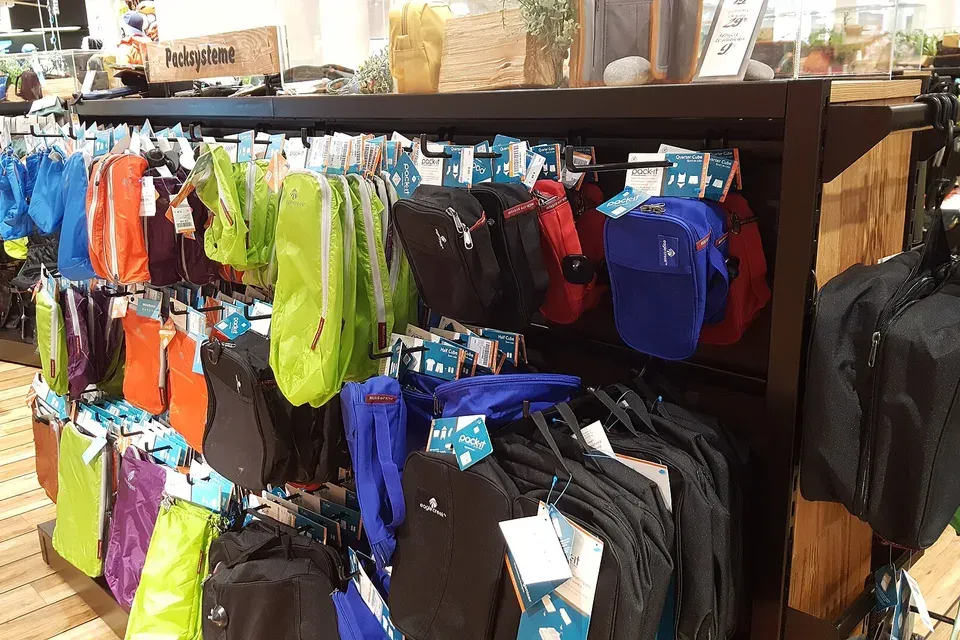
The Three-Layer Multi-Climate Wardrobe
Instead of packing separate heavy coats for mountain passes and linen outfits for warm valleys, build three thin layers that combine cleanly across 4°C mornings and 28°C afternoons:
- Base Layers (5–6 tops, 2–3 bottoms): Merino wool or lightweight synthetic-blend t-shirts and long-sleeve polos resist odor across multiple wears and dry overnight on a hotel hanger. Pair two versatile neutral trousers/chinos with one pair of lightweight shorts or travel skirt.
- Mid-Layer Insulation: One packable 280-gram grid fleece or compressible synthetic/down jacket adds substantial warmth without consuming pack volume.
- Weatherproof Outer Shell: A breathable seam-sealed rain jacket (2.5-layer or 3-layer) blocks coastal gales, mountain drizzle, and airplane cabin chill simultaneously—replace bulky umbrellas with a good storm hood.
Complete 35-Liter Packing Blueprint
| Module | Exact Items | Approx. Weight |
|---|---|---|
| Pack & Organizers | 35L clamshell carry-on + 2 compression cubes + dry bag | 1.3 kg |
| Clothing (7-day cycle) | 5 tops, 2 trousers, 1 shorts, 7 underwear/socks, 1 fleece, 1 rain shell | 2.9 kg |
| Footwear (Wear heaviest) | 1 cushioned trail-walking sneaker (worn) + 1 flat sandal/slip-on (packed) | 0.9 kg |
| Toiletries & First Aid | Solid shampoo/soap bar, 100ml-compliant tubes, blister tape, ORS, basic meds | 0.6 kg |
| Tech & Documents | Phone, compact GaN universal charger, 10,000mAh power bank, passport/cards | 0.9 kg |
| Total Cabin Weight | Everything fits comfortably in overhead or train racks | ~6.6 kg |
Laundry Routine and Common Traps to Skip
Pack a sink stopper (flat silicone disc), three meters of braided travel clothesline, and laundry detergent sheets weighing practically nothing. Washing underwear and base shirts every three nights in a hotel basin—or dropping a combined load at a neighborhood lavanderia / coin laundry every seventh day—keeps your entire wardrobe fresh indefinitely.
Watch out for the three classic weight traps:
- Extra shoes: Footwear devours 25% of pack volume. Choose one neutral pair of dark trail-walking shoes capable of handling cobblestone hills, forest paths, and casual dinners alike.
- Unnecessary paper & duplicates: Digitize backup itineraries, skip full-size guidebooks in favor of offline apps, and carry one multi-port GaN USB-C charger instead of three separate bricks.
- Liquid toiletries over-sizing: Solid shampoo bars, solid sunscreen sticks, and toothpaste tablets bypass airport 100ml bag bottlenecks entirely.
Seasonal Swaps: Adapting One Kit from Tropics to High Peaks
You don’t need to rebuild your packing list from scratch for different destinations—simply swap two small modules inside the exact same 35-liter frame:
- Warm Humid Tropics (Vietnam, Thailand, Kerala): Swap heavy fleece for an ultra-light linen overshirt, pack two pairs of quick-dry shorts, add DEET/picaridin insect repellent and electrolyte sachets, and keep a 10-gram breathable dry bag for sudden monsoon squalls.
- Cold Alpine Passes & High Deserts (Spiti, Patagonia, Dolomites): Add a 200g merino thermal top and leggings (doubling as warm sleepwear in cool guesthouses), a knit beanie, windproof touchscreen liner gloves, and UV Category-3 sunglasses.
- European Rail & City Culture (Lisbon, Kyoto, Oaxaca): Include one collared merino shirt or lightweight knit dress that pairs neatly with dark chinos for concert halls or sit-down dinners, plus a foldable 15-liter packable nylon tote for daytime market strolls once your main bag stays at the hotel.
Checking Bag Fit Before Leaving Home
Test-pack your loaded 35-liter bag three days prior to departure and weigh it on a simple luggage scale—including whatever jacket or camera strap sits inside. Confirm power banks stay strictly inside your cabin pack (never checked!), verify lithium battery limits (usually max 100Wh per bank), and place liquids in a transparent one-liter zip pouch right at the top pocket so airport security checks take ten seconds flat.
Test your system on trips ranging from our 10-day Swiss Alps rail itinerary to our Northern Thailand budget route, and check our eSIM vs. local SIM guide to streamline arrival logistics.