Kyoto receives tens of millions of visitors each year, yet most day-trippers compress into four square kilometers between Kiyomizu-dera, Fushimi Inari, and central Arashiyama between 10:00 AM and 4:00 PM. Step outside those midday bottlenecks—either by walking at dawn or shifting two rail stops away—and the former imperial capital reveals cedar-scented temple lanes, neighborhood tofu shops, and quiet moss gardens that feel centuries removed from the station rush.
Understanding Kyoto starts with geography. Bounded by forested hills on three sides and bisected by the Kamo River, the city rewards travelers who plan each day around a single compass quadrant rather than crisscrossing town on crowded municipal buses.
When to Visit Kyoto for Space and Light
Cherry blossom forecasts in late March and early April bring extraordinary beauty alongside peak hotel rates and packed platforms. While autumn foliage in mid-November rivals spring for color, two quieter windows deliver far better day-to-day pacing.
- Late May to mid-June: Before the heaviest tsuyu rainy weeks settle in, temple maples glow bright green, irises bloom at Heian Shrine, and morning temperatures sit comfortably around 18°C to 24°C.
- January and February: Crisp winter air keeps skies remarkably clear over the eastern mountains, lodging rates drop noticeably, and sub-temples of Daitoku-ji or Nanzen-ji feel almost private.
- Early December: Late-turning ginkgo and maple leaves linger around Shimogamo Shrine and northern Ohara well after the November peak.
Check official seasonal bloom and temple illumination calendars through the Japan National Tourism Organization before locking dates.
Four Neighborhoods Worth Slowing Down In
Rather than booking every sight from a single downtown intersection, group your walks by district and transit line.
Higashiyama and Nanzen-ji
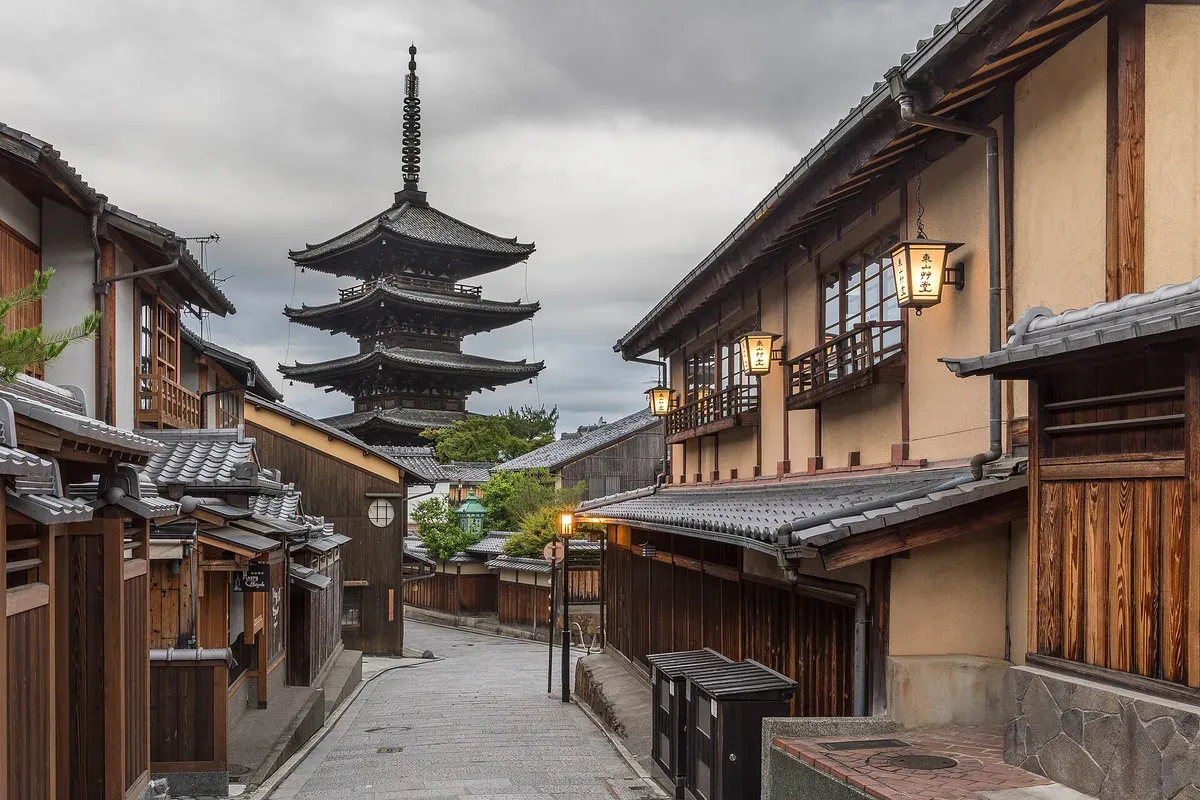
Southern Higashiyama’s stone-paved lanes—especially Ninenzaka, Sannenzaka, and Yasaka-dori—are busiest after 9:30 AM. Arriving at 6:30 AM lets you hear gravel crunch underfoot and see wooden machiya facades in soft eastern light. Walk north from Yasaka Shrine through Maruyama Park toward Nanzen-ji, whose brick Meiji-era aqueduct and tranquil sub-temples like Tenju-an rarely feel rushed even at noon.
Arashiyama and Saga-Toriimoto
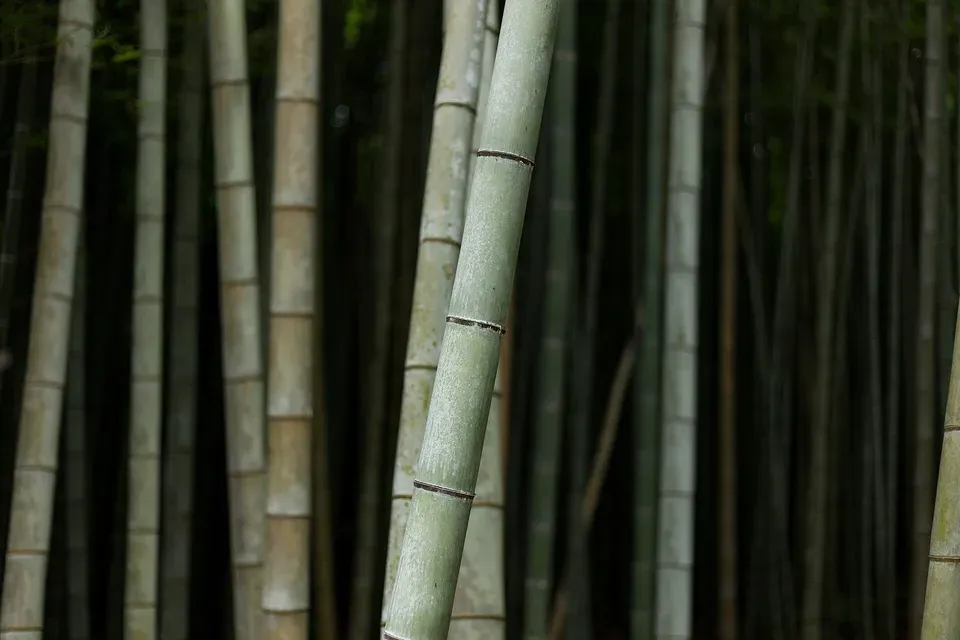
Arashiyama’s famous bamboo path draws heavy crowds by mid-morning, yet continuing twenty minutes north along the preserved thatched street of Saga-Toriimoto leads directly to Otagi Nenbutsu-ji and Adashino Nenbutsu-ji, where mossy stone statues sit beneath towering cedars.
Nishijin and Daitoku-ji
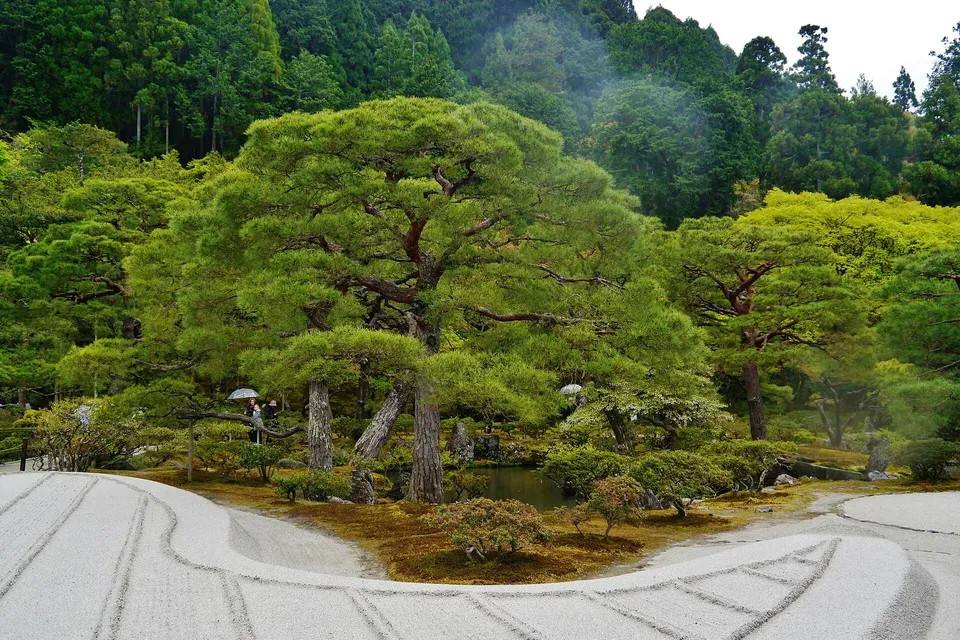
In northwestern Kyoto, Nishijin remains the city’s traditional silk-weaving district. Wander past timber workshops and quiet residential shrines before entering the walled Daitoku-ji Zen complex, home to dry rock gardens such as Daisen-in and Ryogen-in.
Uji and Southern Tea Country
Just twenty minutes south of Kyoto Station on the JR Nara Line, Uji pairs the UNESCO-listed Phoenix Hall of Byodo-in with riverside paths and historic matcha merchants. It makes an effortless half-day trip without changing hotels.
Practical Transit, Costs, and Temple Etiquette
Kyoto’s street grid is flat and walkable, while its rail lines outperform buses whenever traffic builds. Pair the Keihan Main Line (for eastern temples and Fushimi Inari), the Hankyu Kyoto Line (for central Kawaramachi and Arashiyama), and the Karasuma Subway Line with an ICOCA or Suica IC card stored on your phone or wallet.
| Expense Category | Typical Cost (JPY) | Approx. USD | Notes |
|---|---|---|---|
| Subway or local train ride | ¥220–¥320 | $1.50–$2.20 | Faster and more reliable than city buses |
| Temple or garden admission | ¥500–¥1,000 | $3.40–$6.80 | Cash often required at smaller sub-temples |
| Casual lunch (udon / set meal) | ¥1,000–¥1,600 | $6.80–$11.00 | Neighborhood counters near Demachiyanagi |
| Mid-range machiya or hotel | ¥16,000–¥28,000 | $110–$190 | Book 2–3 months ahead for spring/autumn |
| Kaiseki or shojin ryori dinner | ¥6,000–¥14,000 | $40–$95 | Reserve through your accommodation |
Keep a small coin pouch handy, as many historic temple gates and family-run bakeries remain cash-only. Inside wooden temple halls, shoes come off at the entrance—wear clean, comfortable socks, keep voices low, and respect “no photography” signs protecting painted screens and sliding fusuma doors.
Suggested Three-Day Pacing Plan
- Day 1 — Eastern Dawn & Canal Walk: Sunrise along Yasaka-dori and Kiyomizu-dera, breakfast near Gojo, Nanzen-ji aqueduct, and late-afternoon stroll down the Philosopher’s Path toward Ginkaku-ji.
- Day 2 — Western Bamboo & Northern Zen: Early train to Saga-Arashiyama, walk north through Saga-Toriimoto to Otagi Nenbutsu-ji, afternoon bus or taxi to Daitoku-ji’s sub-temples, and evening dinner in Pontocho or Kiyamachi alleys.
- Day 3 — Tea & Markets: Early morning climb at Fushimi Inari before continuing south to Uji for Byodo-in and tea tasting, returning for late-afternoon browsing at Nishiki Market’s side streets.
If you plan to stay in a traditional inn during your trip, pair this guide with our breakdown of how to choose a traditional Japanese ryokan and our 35-liter carry-on packing system for rail-friendly travel across Japan.