Following Route 1 east from Reykjavik along Iceland’s South Coast compresses volcanic waterfalls, basalt columns, black sand shores, and Europe’s largest glacier cap into a single 380-kilometer corridor ending at Jökulsárlón glacier lagoon. Yet Iceland’s wildness is deceptive: paved Ring Road tarmac lures travelers into underestimating 90 km/h crosswinds, sudden winter whiteouts, and lethal North Atlantic sneaker waves.
Respecting local forecasts and pacing the drive over three to four days turns the South Coast from a rushed tour-bus race into an extraordinary geological journey.
Seasonal Windows and Highland Access
- Mid-June to August: Nearly 20 hours of daylight allow late-evening waterfall visits without tour crowds, and inland mountain F-roads (such as Landmannalaugar and Þórsmörk) open for high-clearance 4x4 vehicles.
- September to October: Crisp autumn moss color, thinning summer traffic, open Ring Road conditions, and the return of dark nights suitable for spotting the Aurora Borealis.
- November to March: Sub-zero gales and limited 4–6 hours of daylight demand winter studded tires, flexible hotel bookings, and daily road checks.
Bookmark Iceland’s three essential live safety sites before driving a single kilometer: Vedur.is (weather & wind), Umferdin.is (live road & F-road closures), and SafeTravel.is (emergency alerts).
Key Stops Along the South Coast
Seljalandsfoss and Skógafoss
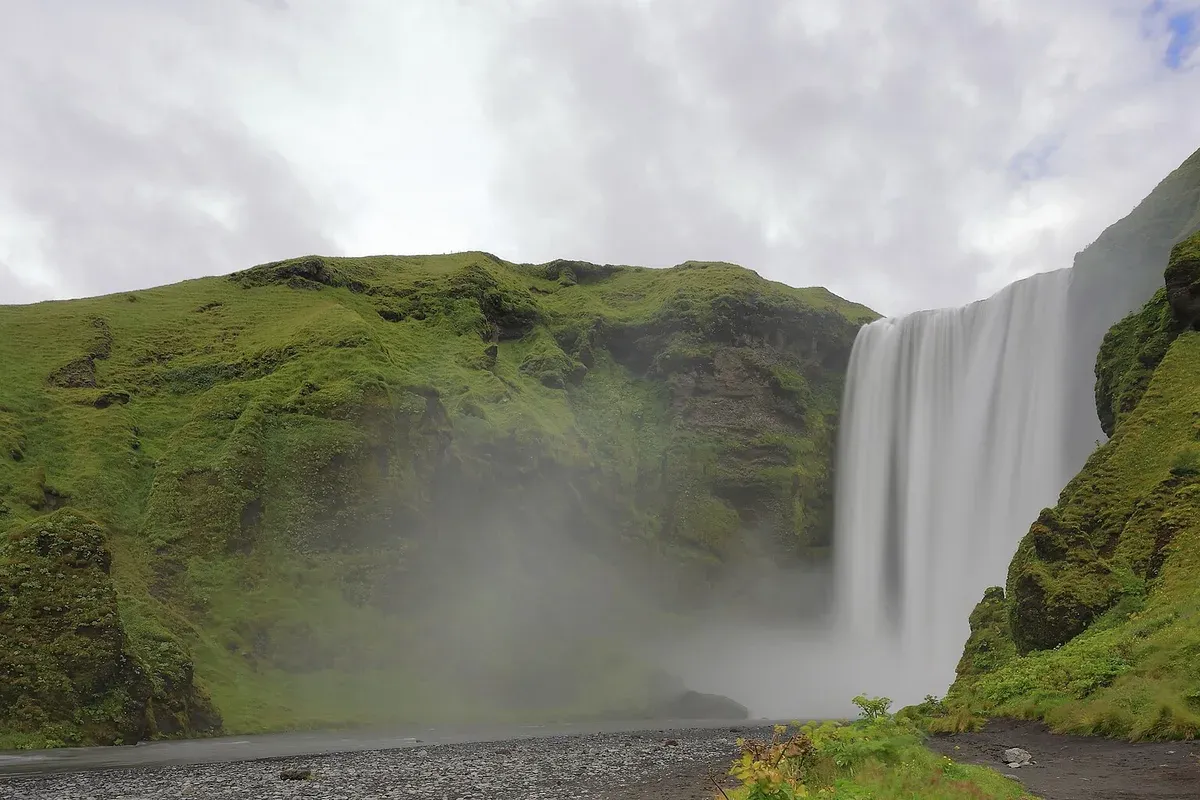
Two hours east of Reykjavik, Seljalandsfoss lets walkers loop directly behind its 60-meter waterfall curtain (bring waterproof shell pants—spray saturates everything), while neighboring Gljúfrabúi hides inside a narrow mossy gorge. Thirty minutes further east, Skógafoss thunders down flat sea cliffs; climb the 500 metal stairs on its eastern flank to hike upstream along the quiet Waterfall Way (Fimmvörðuháls trailhead) past twenty smaller cascades.
Reynisfjara Black Sand Beach — Know the Wave Zones
Near the village of Vík, Reynisfjara pairs volcanic black sand with geometric hexagonal basalt columns and offshore sea stacks. It is also Iceland’s most dangerous beach. Powerful sneaker waves surge suddenly dozens of meters higher than previous swells, pulling visitors into freezing undertows.
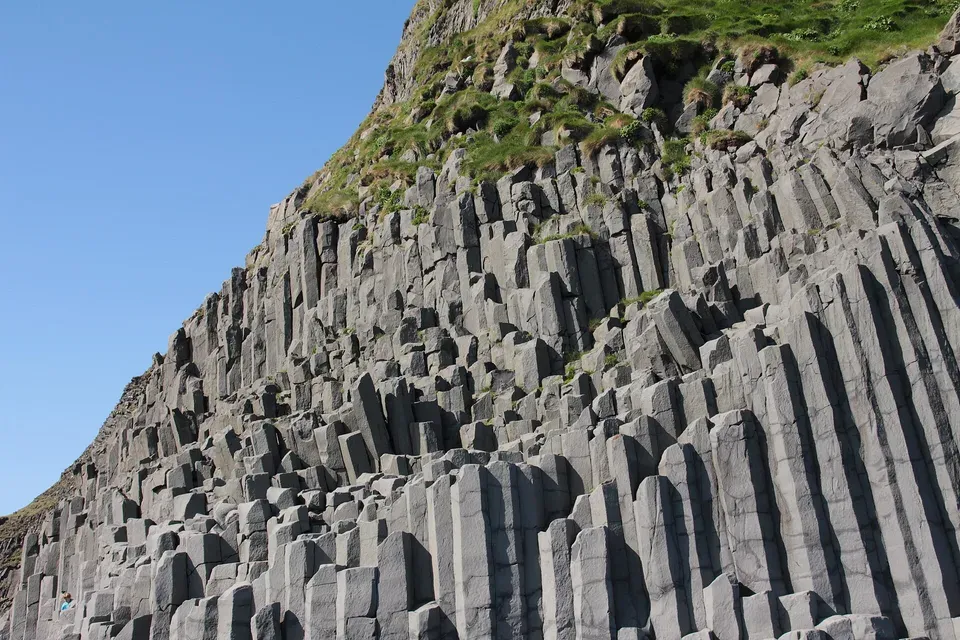
Follow the beach’s traffic-light safety beacons (Yellow/Red warnings ban entry to lower sand zones), never walk onto wet sand, and view the basalt cliffs from Dyrhólaey headland when swells run high.
Skaftafell and Jökulsárlón Glacier Lagoon
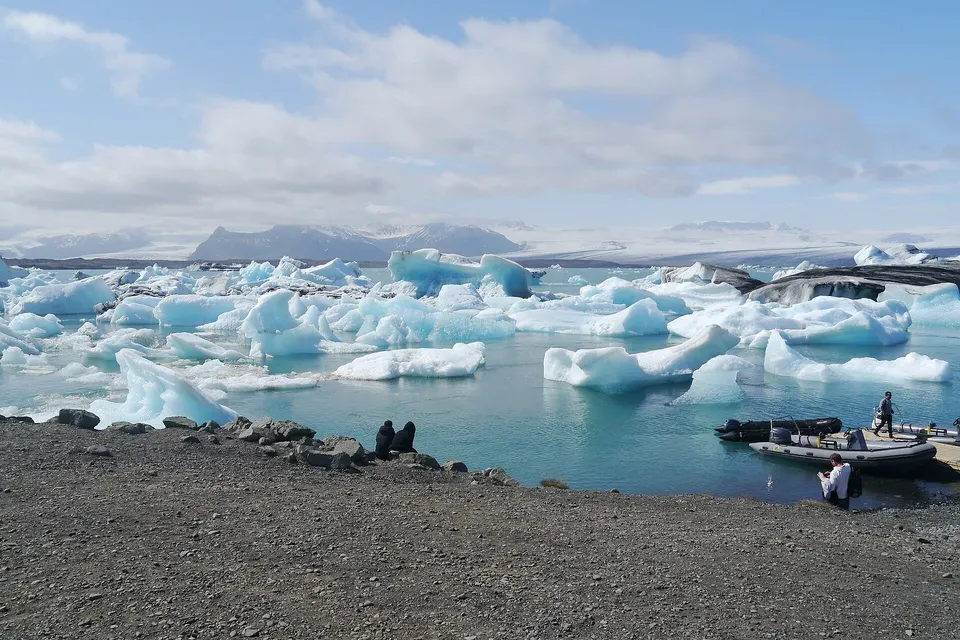
Continuing east across black outwash sandur plains reaches Vatnajökull National Park. At Skaftafell, an easy 90-minute round-trip hike leads to Svartifoss, framed by hanging black basalt organ pipes. Another 45 minutes east sits Jökulsárlón, where bright blue icebergs calve off Breiðamerkurjökull glacier, drift past seals, and wash ashore onto neighboring Diamond Beach.
Practical Driving Rules and Cost Control
| Category | Typical Cost (USD) | Smart Strategy |
|---|---|---|
| Compact 2WD rental (summer) | $75–$130 / day | 2WD suffices for paved Route 1; 4x4 mandatory for F-roads |
| Fuel (petrol/diesel) | ~$2.20–$2.45 / liter | Fill up in Selfoss, Vík, and Kirkjubæjarklaustur |
| Guesthouse double room | $150–$260 / night | Reserve 3–5 months ahead in June–August; look for shared kitchens |
| Casual hot dog / soup meal | $8–$22 | Cook breakfasts and pack road lunches from Bónus or Krónan supermarkets |
| Municipal Sundlaug pool | ~$9–$11 | Skip expensive spa resorts on tight budgets; every town has geothermally heated pools |
Hold your car door firmly with both hands whenever opening it in parking lots—Icelandic gusts routinely bend hinges backward—and never stop on road shoulders without designated pullouts.
Suggested Four-Day South Coast & Golden Circle Loop
- Day 1 — Golden Circle Warm-Up to Hvolsvöllur: Leave Keflavík or Reykjavik toward Þingvellir National Park (rift valley between tectonic plates), Geysir geothermal vents, and Gullfoss waterfall before bedding down near Selfoss or Hvolsvöllur.
- Day 2 — Waterfalls & Vík Coastal Cliffs: Explore Seljalandsfoss, Gljúfrabúi, and Skógafoss early, hike above Dyrhólaey sea arch to spot summer puffins (May–August), and inspect Reynisfjara’s basalt columns safely from high dry stones.
- Day 3 — Eldhraun Lava Fields to Jökulsárlón: Cross moss-covered volcanic lava flows through Fjaðrárgljúfur canyon and Skaftafell’s Svartifoss trail before reaching Jökulsárlón lagoon and Diamond Beach for crisp evening light.
- Day 4 — Geothermal Pools & Return West: Stop at Kvernufoss hidden gorge on the return drive and soak in a quiet neighborhood geothermal pool in Hveragerði or Reykjavik’s historic Sundhöllin baths before dinner.
Essential Winter & Highland Precautions
- Respect off-road bans: Driving off marked gravel tracks permanently scars fragile Icelandic moss that takes decades to regrow and carries severe environmental fines.
- Check daylight & glacier tour safety: Never walk onto glacier tongues without certified guides, crampons, and helmets—ice caves shift constantly after warm rains.
- Parka app payments: Most major South Coast parking lots (Seljalandsfoss, Skaftafell, Jökulsárlón) charge 750–1,000 ISK via license-plate cameras; pay easily via Parka.is before leaving to avoid rental-agency admin surcharges.
- Thermal pool etiquette: Before stepping into any Icelandic geothermal pool or Sundlaug, visitors must shower completely naked with soap in gender-separated changing halls—attendants enforce this strictly so pools stay crystal clean without heavy chlorine.
For packing tips built around wet, windy days, consult our 35-liter multi-climate carry-on packing guide.