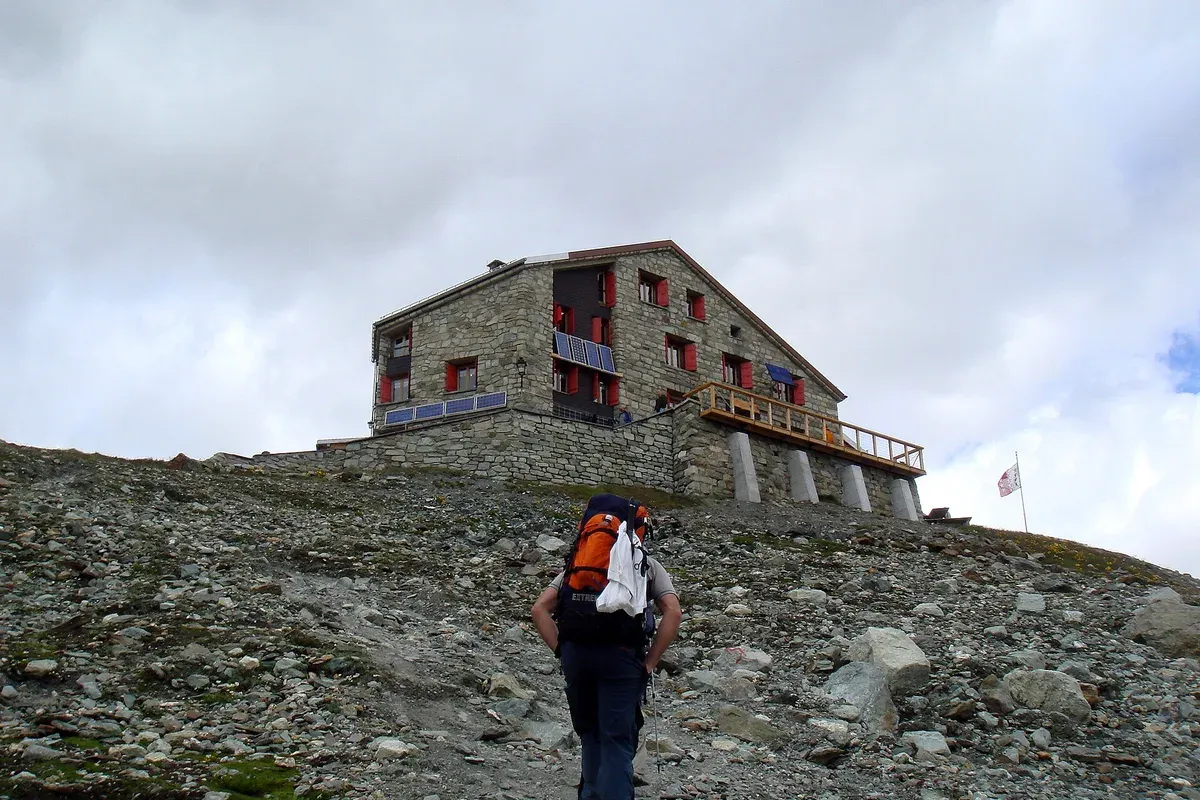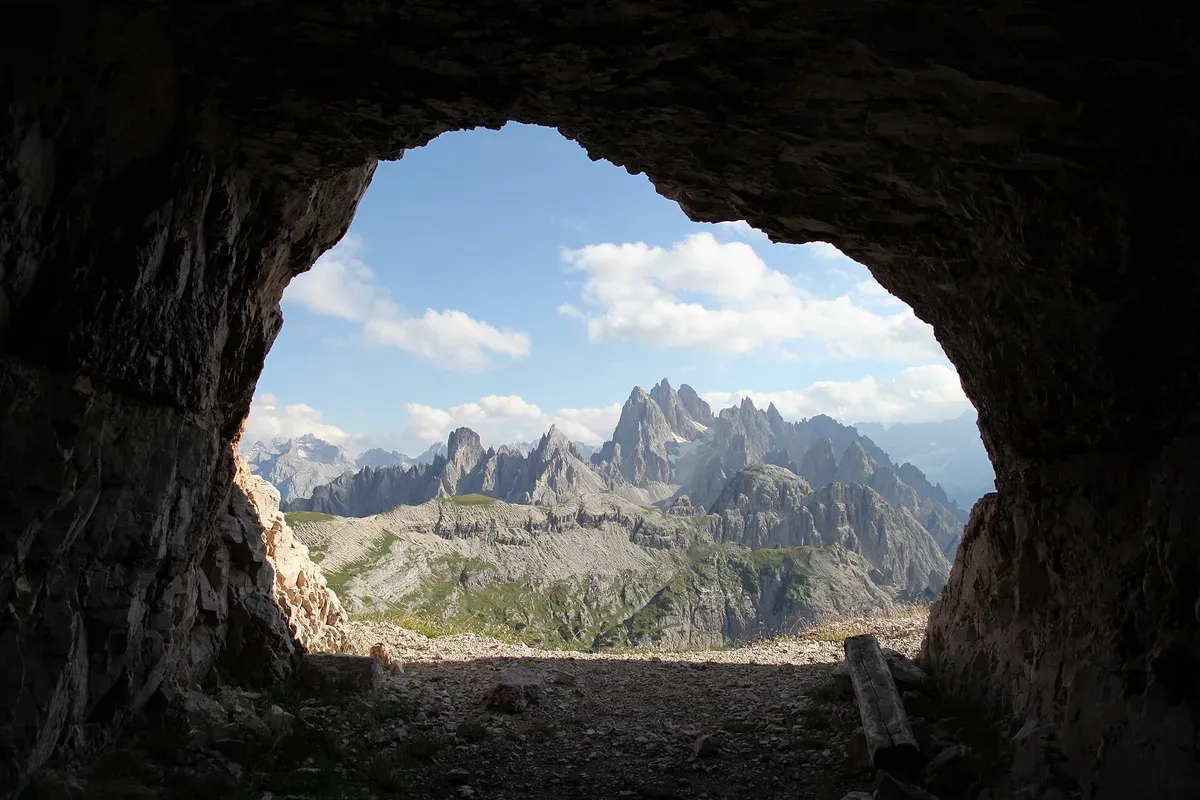
Rising abruptly out of emerald alpine meadows across South Tyrol, Trentino, and Belluno, the pale limestone massifs of the Italian Dolomites glow rose-orange during evening enrosadira light. Recognized as a UNESCO World Heritage site for their dramatic geological architecture, these peaks pair serious high-altitude drama with Europe’s most accessible mountain trail network—where cable lifts lift day hikers directly onto 2,500-meter ridges and historic stone rifugi serve hot polenta and apple strudel mid-route.
Because the Dolomites span two distinct cultural zones—German- and Ladin-speaking South Tyrol (Südtirol) in the west, and Italian-speaking Veneto in the east—splitting your stay between two valley bases cuts mountain-pass driving in half.
Choosing Your Trail Bases: Ortisei vs. Cortina
- Western Base — Val Gardena (Ortisei or Santa Cristina): Best for Seceda, the Odle/Geisler peaks, and the rolling high pastures of Alpe di Siusi (Seiser Alm). Frequent regional buses included with the Südtirol Guest Pass link trailheads smoothly.
- Eastern Base — Cortina d’Ampezzo or Dobbiaco (Toblach): Best for Tre Cime di Lavaredo, Cadini di Misurina, Sorapis, and Lago di Braies. Dobbiaco sits right on a direct railway line from Innsbruck and Fortezza, making car-free arrival simple.
Check official cable-car opening dates and trail maintenance bulletins on Dolomites UNESCO World Heritage and local Val Gardena / Cortina portals.
Classic Day Hikes Worth Prioritizing
1. Seceda to Pieralongia and Col Raiser
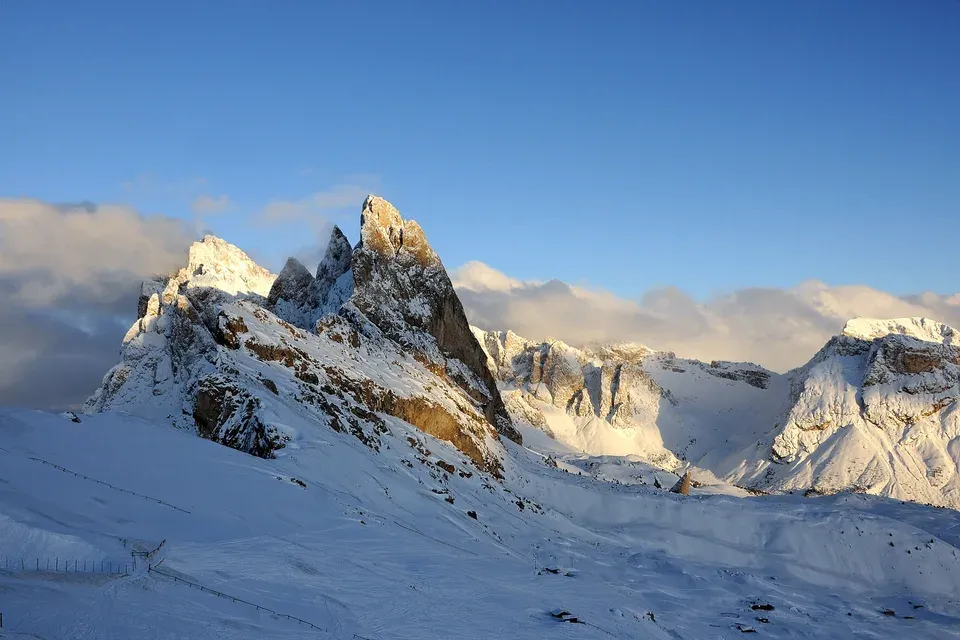
Riding the morning cable car from Ortisei up to Seceda (2,519 meters) places you directly along the knife-edged crest of the Odle group—one side dropping steeply in jagged limestone fins, the other rolling gently in grassy slopes. Rather than turning straight back at the overlook, descend the panoramic path past Pieralongia boulders toward Rifugio Firenze before catching the Col Raiser gondola down into Santa Cristina.
2. Tre Cime di Lavaredo Circuit
The 10-kilometer loop around the Three Peaks of Lavaredo (Trail 101 to Rifugio Locatelli, returning via Langalm) is justifiably iconic. Because the toll road up to Rifugio Auronzo now caps private vehicle entries by reservation, taking the SAD 444 shuttle bus from Dobbiaco saves stress and parking fees. Start before 8:30 AM and continue twenty minutes beyond Rifugio Auronzo onto the Cadini di Misurina viewpoint ridge if weather stays clear.
3. Lago di Braies Morning Perimeter
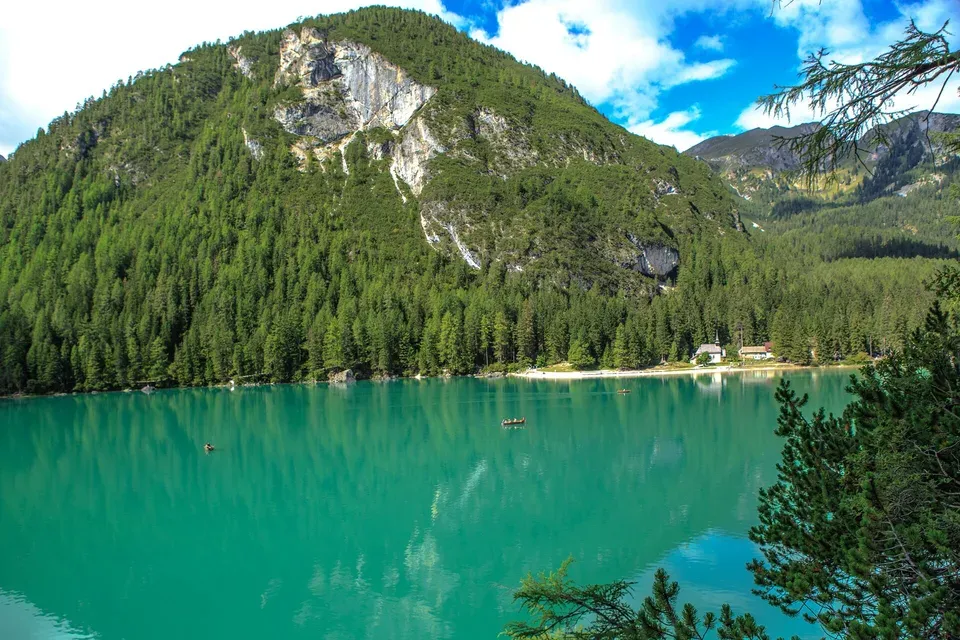
Lago di Braies (Pragser Wildsee) sits in a sheer rocky amphitheater at 1,496 meters. Summer daytime access between 9:30 AM and 4:00 PM is restricted to reserved transit or pre-booked parking; arriving on the first 7:30 AM bus lets you complete the flat 3.6-kilometer lake loop in mirror-still light.
Rifugio Etiquette and Safety Essentials
| Topic | Practical Dolomites Standard |
|---|---|
| Afternoon thunderstorms | Summer convective storms often build after 2:00 PM; begin ridge hikes early |
| Rifugio cash & dining | Many high huts lack reliable card terminals—carry €40–€60 cash per person |
| Via ferrata (Klettersteig) | Never attempt iron-cable routes without a helmet, harness, energy-absorbing lanyard, and training |
| Trail markers | Red-white-red CAI/AVS paint marks numbered paths reliably across junctions |
| Lift pass value | Dolomiti SuperSummer multi-day lift cards pay off if riding 3+ cableways in a week |
Pack sturdy ankle-supporting hiking boots with deep lugs—limestone scree gets surprisingly loose on descents—and bring a windproof shell even on sunny valley mornings.
Reaching the Dolomites Without Stress
Arriving by train avoids both Italian highway tolls and steep mountain parking charges. High-speed Frecciarossa or EuroCity trains run directly up the Brenner corridor to Bolzano (Bozen) and Bressanone (Brixen), where frequent SAD regional buses climb straight into Val Gardena and Val di Funes in 45–60 minutes. For the eastern Dolomites, connect via Fortezza up the Pustertal line straight to Dobbiaco (Toblach), or take direct Cortina Express / ATVO mountain coaches from Venice Marco Polo Airport and Mestre station in roughly two hours.
Sample Five-Day Two-Base Walking Schedule
- Day 1 — Val Gardena Arrival & Alpe di Siusi: Settle into Ortisei and ride the afternoon Mont Sëuc gondola across Alpe di Siusi’s rolling high alpine meadows for gentle acclimatization walks facing the Sassolungo massif.
- Day 2 — Seceda Ridge to Col Raiser: Ascend early to Seceda, traverse the Odle ridge past Pieralongia toward Rifugio Firenze, and enjoy Ladin barley soup (orzetto) before descending via Col Raiser.
- Day 3 — Transfer East via Val di Funes or Gardena Pass: Pause along Passo Gardena or St. Magdalena valley floor before checking into Dobbiaco or Cortina.
- Day 4 — Tre Cime di Lavaredo & Cadini Ridge: Ride the morning shuttle bus to Rifugio Auronzo, walk the full clockwise circuit around the Three Peaks, and detour to the Cadini di Misurina balcony before afternoon clouds build.
- Day 5 — Dawn at Lago di Braies or Cinque Torri: Catch the 7:30 AM lake loop at Lago di Braies—or ride the Cinque Torri chairlift above Cortina to walk preserved open-air First World War alpine trenches beneath Averau.
If you enjoy multi-day hut trekking, read our full European mountain hut booking guide or explore rail connections in our 10-day Swiss Alps rail itinerary.