Straddling ancient Silk Road corridors between the Black and Caspian seas, Georgia offers one of Eurasia’s richest culinary cultures—shaped by Persian walnuts and pomegranates, Mediterranean herbs, mountain cheeses, and an unbroken 8,000-year tradition of winemaking recognized by UNESCO Intangible Cultural Heritage.
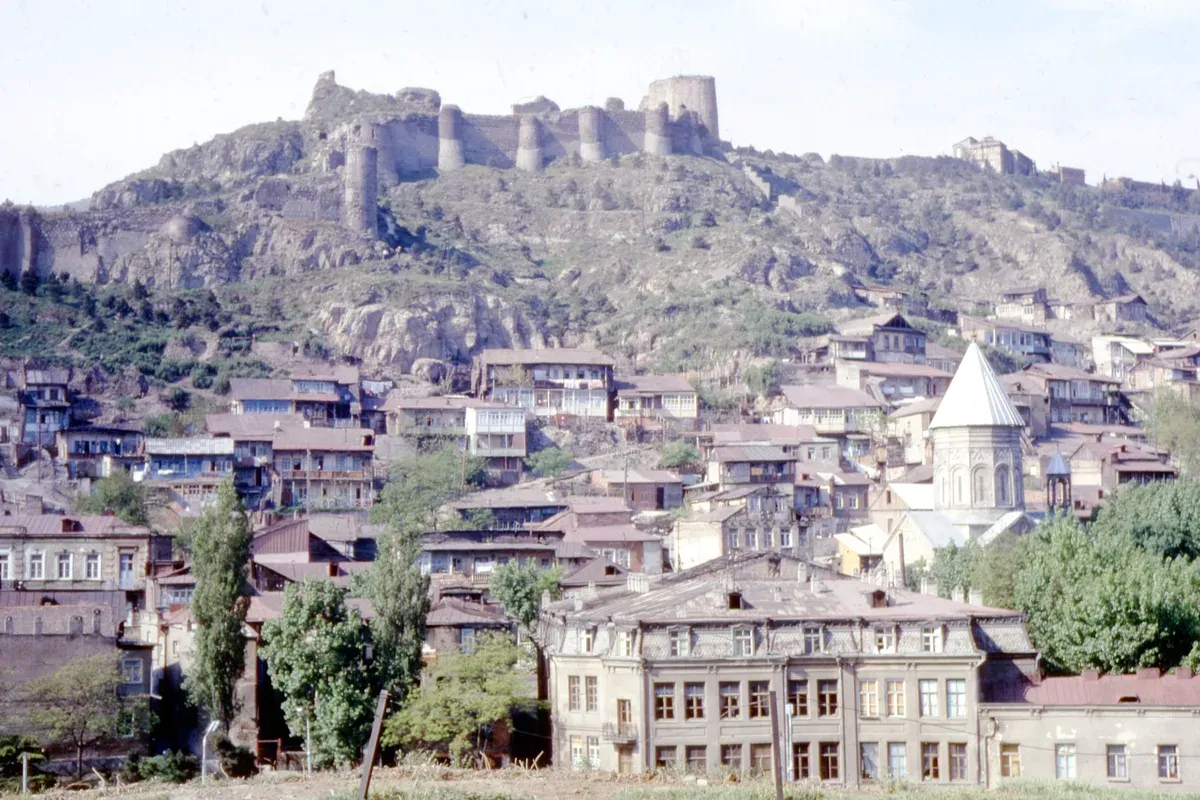
In Tbilisi, pastel wooden balconies cling to volcanic cliffs above steaming brick-domed sulfur baths, while two hours east across the Gombori Pass, the Alazani Valley of Kakheti produces complex skin-contact amber wines fermented underground in beeswax-lined clay amphorae called qvevri.
Understanding the Georgian Supra Table
In Georgia, hospitality is treated almost as sacred duty (“a guest is a gift from God”). A traditional feast, or supra, is guided by a tamada (toastmaster) who weaves heartfelt toasts to peace, memory, friendship, and ancestors between plates arriving simultaneously across the table rather than in rigid single courses.
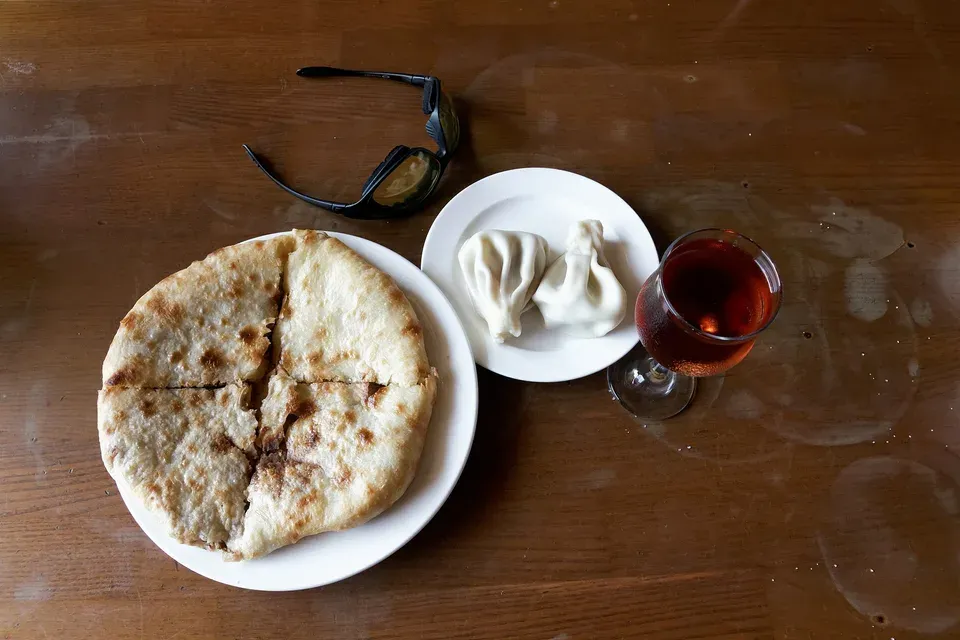
- Khinkali: Pleated mountain soup dumplings filled with spiced beef/pork, mushrooms, or cheese. Eat them by holding the thick top dough knot (kudi), biting a small hole to sip the hot broth first, and leaving the tough knot on your plate—no forks allowed!
- Khachapuri: Cheese-filled bread taking regional forms: crisp layered Imeruli, oval boat-shaped Adjaruli topped with butter and egg yolk, and bean-filled Lobiani.
- Badrijani Nigvzit & Pkhali: Silky grilled eggplant rolls stuffed with garlic-walnut paste and pomegranate seeds, alongside jewel-toned spinach or beetroot walnut salads—making Georgia unexpectedly welcoming for vegetarians.
Exploring Old Tbilisi and Abanotubani
Begin in Abanotubani, the brick-domed thermal sulfur bath quarter whose hot mineral springs inspired Tbilisi’s name (tbili meaning “warm”). Booking a private tiled bath chamber followed by a vigorous kisa exfoliating scrub costs $25–$50 USD and leaves jet-lagged muscles deeply relaxed.
Walk upward through narrow lanes past the Narikala Fortress ridge, descend into the lush gorge behind Leghvtakhevi Waterfall, and cross into the Art Nouveau courtyards of Sololaki—where ornate spiral staircases and neighborhood natural-wine bars hide behind heavy carved doors. Browse spices, churchkhela (walnut strings dipped in thickened grape juice), and aged sulguni cheese inside bustling Dezerter Bazaar near Station Square.
Day Trip or Overnight in Kakheti’s Vineyards
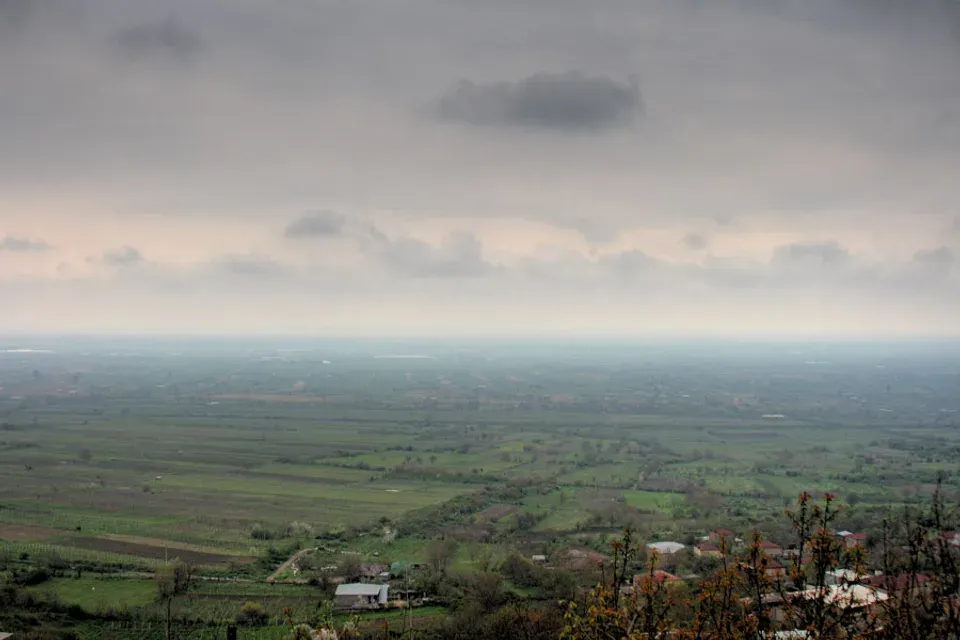
Leaving Tbilisi east via Gombori Pass opens onto the Alazani Valley, framed dramatically by the snow-capped Greater Caucasus peaks along the northern horizon. Base yourself around hillside Sighnaghi or Telavi to visit small family wineries practicing traditional qvevri fermentation with native grape varieties like amber Rkatsiteli and inky Saperavi. Unlike sterile industrial tasting rooms, Kakhetian winemakers frequently pour straight from underground clay vessels beside homemade bread and local cheeses.
September’s Rtveli harvest season turns every village into a joyful grape-picking celebration with outdoor clay-oven (tone) baking and traditional polyphonic singing. Check official cultural festivals and transport portals via Georgia.travel.
Practical Logistics and Costs
| Expense Item | Typical Cost (GEL) | Approx. USD | Helpful Notes |
|---|---|---|---|
| Tbilisi Metro / bus tap ride | 1 GEL | ~$0.37 | Use a Metromoney card or contactless bank card at turnstiles |
| Private Abanotubani sulfur bath (1 hr) | 80–150 GEL | $30–$55 | Book Chreli Abano or Gulo’s baths a couple of days ahead |
| Khinkali & khachapuri dinner with wine | 40–70 GEL | $15–$26 | Shared marshrutka to Sighnaghi costs ~10 GEL from Samgori |
| Boutique guesthouse (Sololaki / Vera) | 130–240 GEL | $48–$88 | Historic wooden-balcony stays in Sololaki are quiet and walkable |
Remember to use Bolt for metered city rides inside Tbilisi rather than un-metered street taxis outside tourist squares, and verify whether menu prices already include the customary 10%–18% restaurant service charge.
Suggested Four-Day Tbilisi & Kakheti Pacing
- Day 1 — Old Town & Sulfur Baths: Walk the Bridge of Peace, ride the Rike Park cable car up to Narikala Fortress and Mother of Georgia statue, descend into Abanotubani for an evening mineral bath soak, and eat steaming khinkali in Sololaki.
- Day 2 — Art Nouveau Courtyards & Museums: Tour the Georgian National Museum’s Golden Fleece archaeological treasury along Rustaveli Avenue, browse weekend vintage stalls at Dry Bridge Market, explore Fabrika’s creative courtyard in Chugureti, and enjoy natural amber-wine pairings at a Vera wine bar.
- Day 3 — Kakheti Wine Valley Excursion: Hire a day driver or shared marshrutka over Gombori Pass to Telavi, Tsinandali Estate, and family-owned qvevri cellars near Shilda or Velistsikhe, watching fresh shoti flatbread baked inside vertical clay tone ovens.
- Day 4 — Sighnaghi Ramparts & Mtskheta: Walk the hilltop walls of Sighnaghi facing the Caucasus before returning via Mtskheta—Georgia’s ancient spiritual capital at the confluence of the Mtkvari and Aragvi rivers, crowned by Jvari Monastery.
Wine Shipping and Practical Etiquette
Georgia maintains generous visa-free entry for citizens of more than ninety countries, making last-minute Caucasus trips remarkably accessible. If flying home with artisanal qvevri bottles, pack cushioned inflatable wine sleeves inside checked luggage (keep bottles out of 35-liter cabin bags!), and bring modest scarves when entering active Georgian Orthodox churches like Svetitskhoveli or Sameba Cathedral.
For smart European-rail or solo arrival strategies before reaching the Caucasus, inspect our solo travel arrival routines and one-bag packing guide.