Along a sweeping three-mile crescent bend of the Ganga in Uttar Pradesh, eighty-four stone ghats link one of the world’s oldest continuously inhabited cities directly to the river. In Varanasi (historically Kashi or Banaras), sacred ritual, classical Hindustani music, silk weaving, and spirited street-food mornings share the same narrow limestone alleys (galis).
Approaching Varanasi thoughtfully means adapting your clock to the river: rising before 5:30 AM, walking quietly past residential courtyards, and giving yourself unhurried afternoons away from crowded intersections.
Dawn and Dusk Along the Eighty-Four Ghats
Morning Walk from Assi to Manikarnika
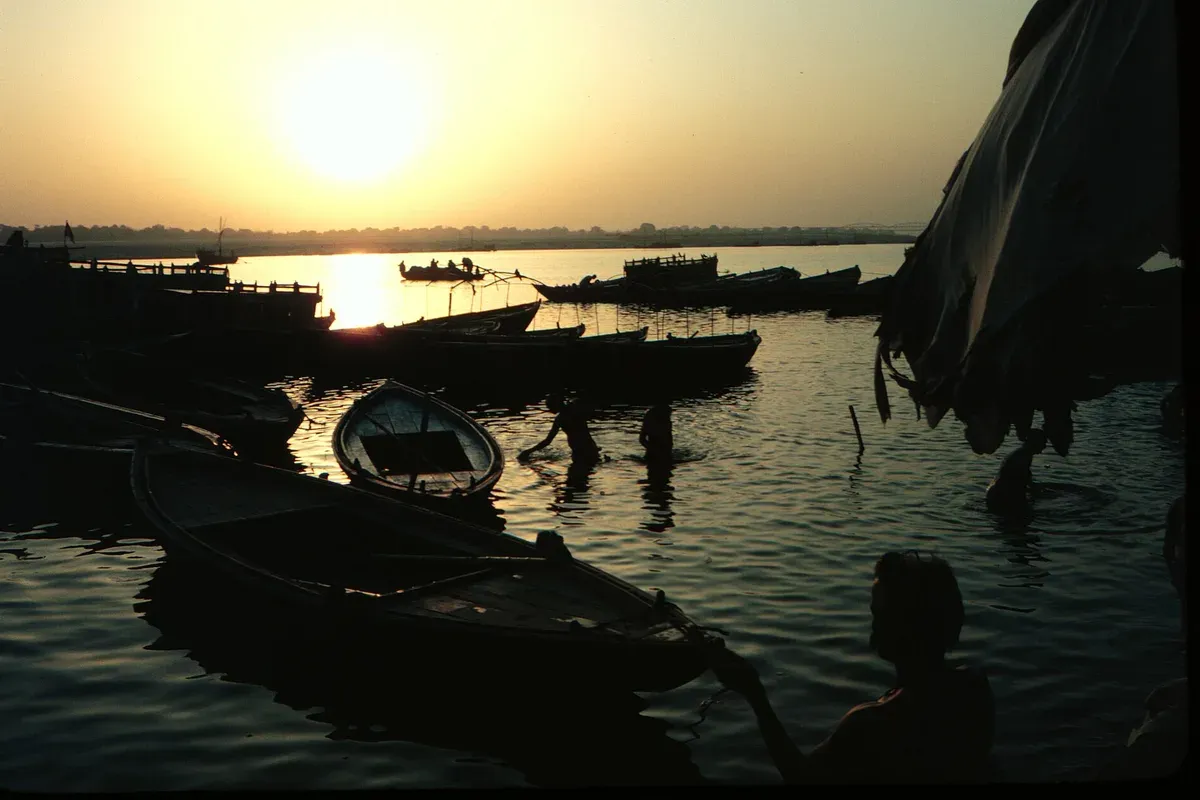
Skip motorized transport along the riverbank and walk south-to-north starting at Assi Ghat around 5:45 AM. At dawn, bathers recite Sanskrit prayers waist-deep in mist, classical shehnai and vocal recitals (Subah-e-Banaras) echo off riverside steps, and wrestlers (pehalwans) prepare clay pits (akharas) near Tulsi Ghat.
Hiring a traditional wooden rowboat (avoid noisy diesel engines whenever possible) for an hour after sunrise gives an unhurried panorama across Chet Singh, Dashashwamedh, and Scindia ghats—where leaning stone shrines tilt toward the seasonal monsoon waterline.
Evening Ganga Aarti and Photography Ethics
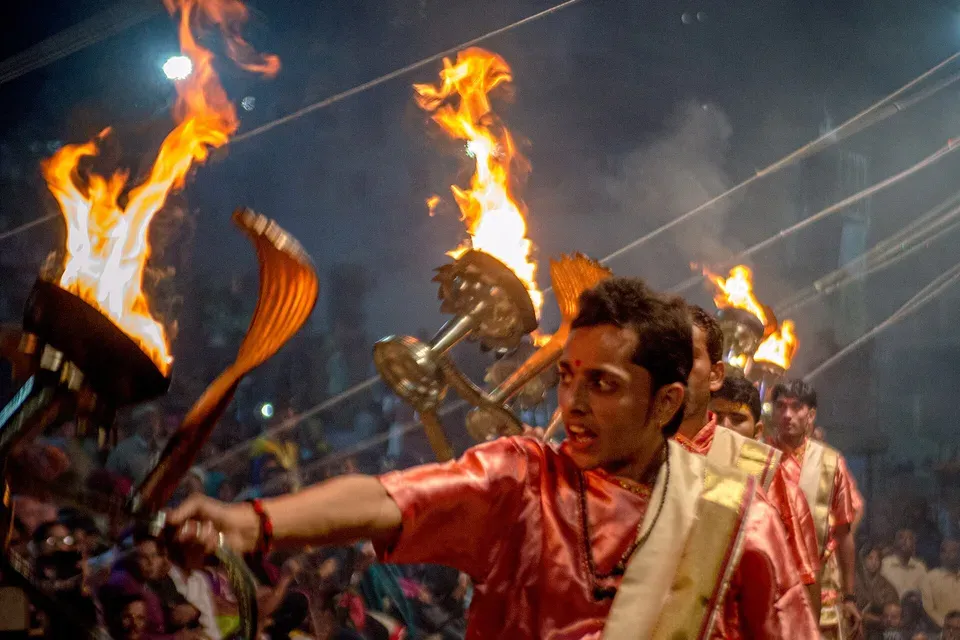
At dusk, priests at Dashashwamedh Ghat and quieter Assi Ghat perform the Ganga Aarti—synchronized fire lamps, conch shells, and chanting facing the water. Watch either from a moored boat or upper balcony terraces, and observe strict ethical boundaries at cremation ghats (Manikarnika and Harishchandra): do not photograph funerals or mourning families, keep respectful distance, and ignore touts demanding fees for “wood donations.”
Banarasi Silk Weaving and Classical Music Roots
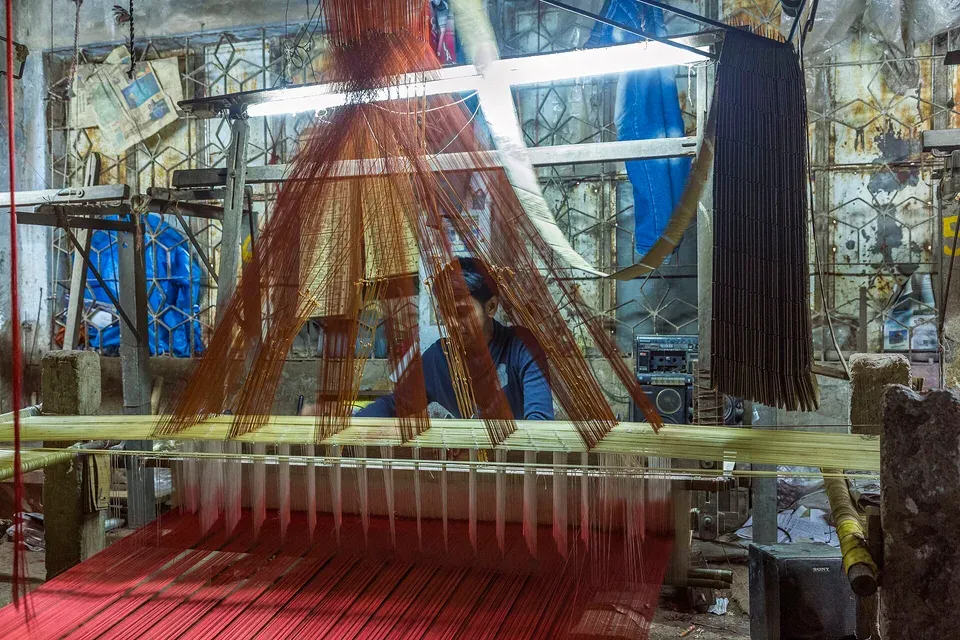
Step ten minutes inland from the ghats into neighborhoods such as Madanpura, Bazardiha, or Sarai Mohana across the river, and the clack of wooden jacquard handlooms replaces temple bells. Generations of Ansari master weavers craft real Banarasi brocade using mulberry silk and metallic zari threads—often requiring weeks for a single saree. Visiting verified cooperative workshops lets travelers distinguish genuine handloom textiles from synthetic powerloom imitations sold near main roads.
Varanasi is also the cradle of the Benares Gharana of tabla, sitar, and thumri vocal music—home to legends like Ustad Bismillah Khan and Pandit Ravi Shankar. Small cultural centers near Assi and Shivala host intimate evening concerts; check local listings through Uttar Pradesh Tourism or heritage guesthouses.
Varanasi’s Street Food Clock
Varanasi eats strictly by time of day—dishes popular at 8:00 AM vanish by noon:
- Morning (6:30–10:30 AM): Kachori Sabzi & Jalebi — Crisp stuffed lentil kachoris served in leaf bowls (dona) with tangy spiced potato curry, paired with hot syrup-soaked jalebis near Chowk and Kachori Gali.
- Winter Dawn Only (Nov–Feb): Malaiyyo — Saffron-scented milk froth whipped overnight under cool winter dew and topped with crushed pistachios and cardamom.
- Afternoon: Tamatar Chaat & Lassi — Unlike north Indian potato chaat, Banarasi tamatar chaat simmers ripe tomatoes with ginger, roasted cumin, and crushed namakpara crispies in earthen kulhads, balanced afterward with thick clay-cup lassi near Blue Lassi or Ramnagar.
- Evening Finale: Steaming kulhad masala chai and Banarasi paan filled with fennel, gulkand rose preserve, and cardamom.
| Practical Item | Typical Cost (INR) | Notes |
|---|---|---|
| Sunrise shared / private rowboat (1 hr) | ₹250–₹1,200 | Agree on total boat price and duration clearly before boarding |
| Breakfast kachori sabzi + jalebi | ₹60–₹120 | Choose bustling stalls frying fresh batches continuously |
| Heritage riverside guesthouse | ₹2,800–₹7,500 | Assi and Shivala ghats offer quieter stays than Dashashwamedh |
| Varanasi Junction (BSB) to ghats auto | ₹120–₹200 | Cars stop outside narrow lanes; walk the final 300–500 meters |
Reaching Varanasi and Navigating the Old City
Lal Bahadur Shastri Airport (VNS) connects Varanasi directly with Delhi, Mumbai, Bengaluru, and Kolkata, while Varanasi Junction (BSB) and Banaras (BSBS) stations receive fast daytime Vande Bharat Express and overnight trains across northern India. Because vehicles cannot drive through historic lanes bordering the river, arrange for your guesthouse near Assi, Shivala, or Dashashwamedh to coordinate a short walking escort from the nearest main road drop-off point.
Practical Timing and Cultural Respect
- Sarnath Half-Day Excursion: Ten kilometers northeast of central Varanasi, Sarnath marks the deer park where the Buddha delivered his first sermon—its tranquil stupas, Ashokan lion-capital museum, and quiet lawns offer peaceful contrast to the bustling riverside.
- Ramnagar Fort & Boat Crossings: Across the eastern sandbanks opposite Assi Ghat sits Ramnagar Fort, showcasing vintage royal carriages and astronomical clocks alongside traditional boatmen mending wooden oars.
- Beware unsolicited “guides”: Friendly strangers offering free tours of “silk factories” or “hospice donations” along narrow alleys almost always work on steep sales commissions—visit independent museums, concerts, and certified weavers directly through trusted recommendations.
- Hydration & Food Safety: Stick to sealed bottled or boiled water, favor steaming hot freshly fried kachoris and simmered chaat over pre-cut raw salads, and wear slip-on shoes easy to remove at temple thresholds.
Pair a spiritual river journey in Varanasi with our Jaipur and Udaipur heritage havelis guide or our solo arrival safety routines for smooth train arrivals across India.