Few countries integrate mountains and public transit as seamlessly as Switzerland. Within ten days, a traveler without a rental car can step off an international flight at Zurich Airport, ride a paddle steamer across Lake Lucerne, ascend glaciated valleys in the Bernese Oberland, and finish by crossing the Alps on the red Bernina Express into northern Italy—all with clockwork hourly connections.
Because Swiss rail fares and mountain cableways add up quickly, structuring your geographic loop and matching the right rail pass to your exact itinerary saves hundreds of francs.
Designing the Ten-Day Alpine Loop
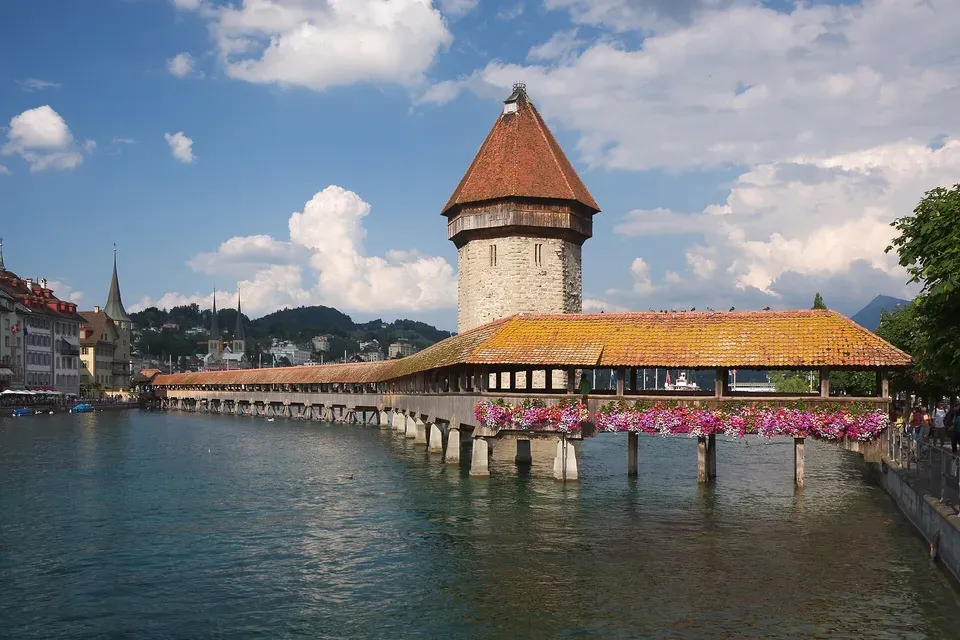
Days 1–3: Lucerne, Lake Steamers, and Mount Rigi
Catch a direct train from Zurich Airport to Lucerne (70 minutes). Spend your first afternoon strolling the covered fourteenth-century Chapel Bridge (Kapellbrücke) and medieval city walls (Museggmauer). On Day 2, board a historic Lake Lucerne paddle steamer to Vitznau and ride Europe’s oldest mountain cogwheel railway up Mount Rigi, descending by aerial cableway to Weggis.
Days 4–6: Lauterbrunnen Valley, Wengen, and Mürren
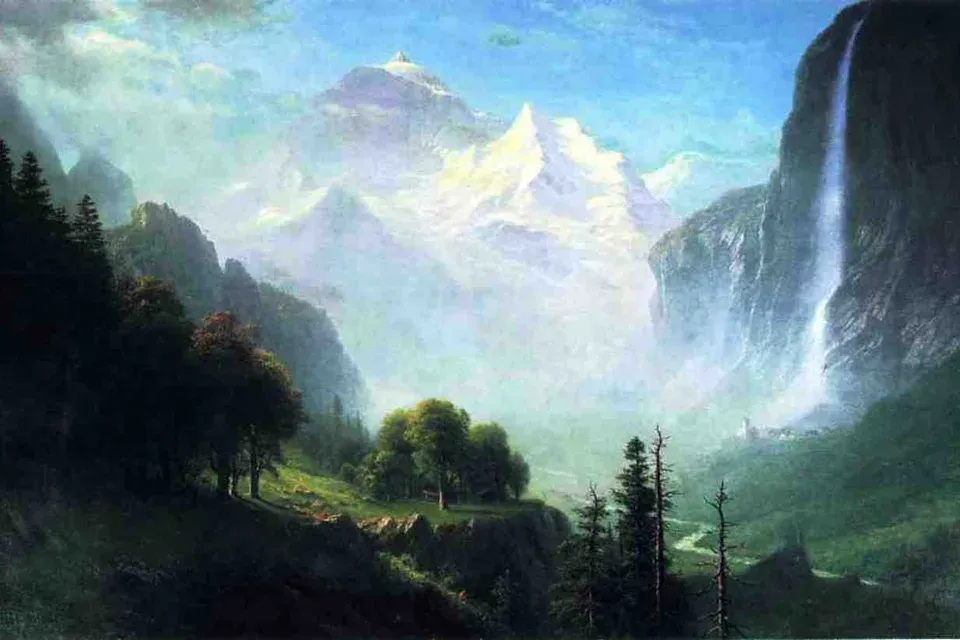
Take the scenic Luzern–Interlaken Express over the Brünig Pass to Interlaken Ost, transferring onto the local Berner Oberland-Bahn up into Lauterbrunnen—a sheer glacial trough framed by 72 waterfalls, including Staubbach Falls. Rather than paying high fares solely for the Jungfraujoch summit train in cloudy weather, stay flexible: hike the high panorama trail from Männlichen to Kleine Scheidegg, or ride up to car-free Mürren and walk down through Gimmelwald’s alpine pastures.
Days 7–8: Zermatt and the Gornergrat Ridge
Travel southwest via Visp up the Mattertal to Zermatt. Skip expensive summit excursions on overcast days by checking live webcams at breakfast. On clear mornings, ride the Gornergrat Railway to 3,089 meters for unbroken views of the Matterhorn and Monte Rosa glaciers, then walk down past Riffelsee lake for classic alpine reflections.
Days 9–10: Chur and the Bernina Express to Tirano
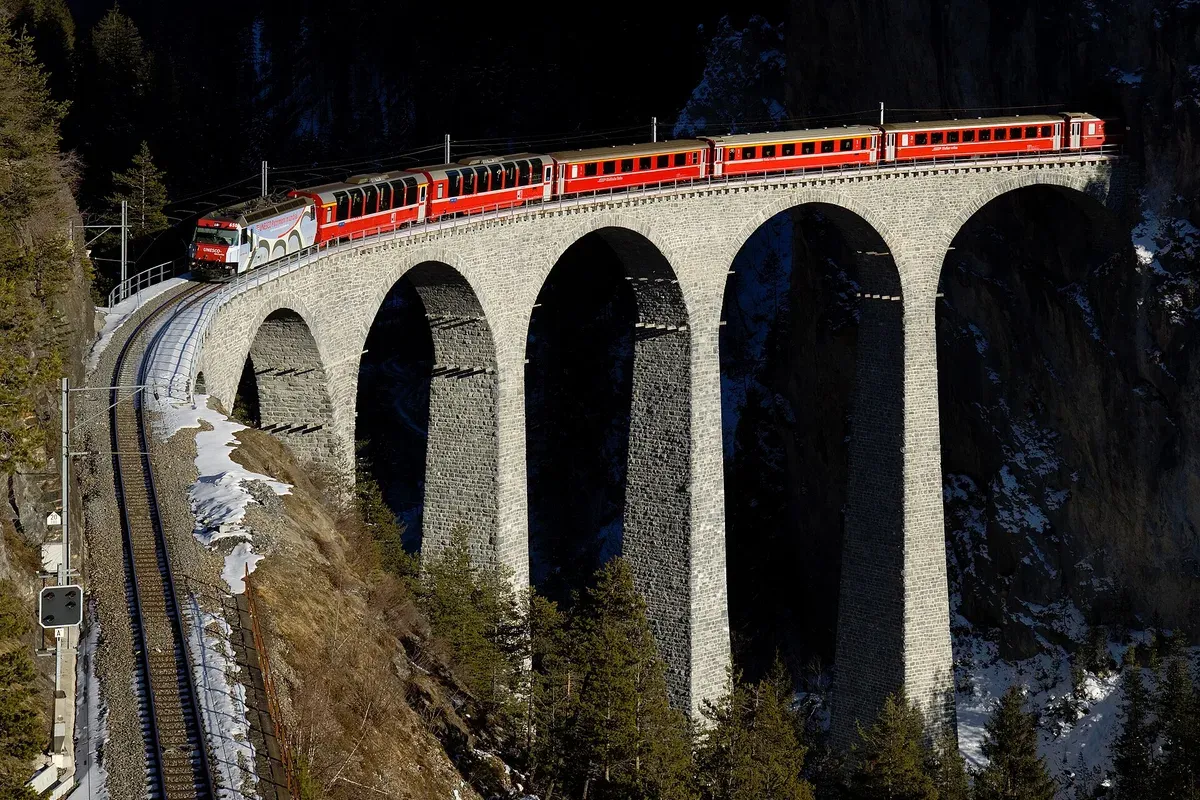
Cross Switzerland via the Glacier Express route (or regional trains along the same tracks, which require zero seat-reservation fees and feature windows you can open for glare-free photos) to Chur. On Day 10, ride the Rhaetian Railway across the Landwasser Viaduct, spiral loops at Brusio, and the 2,253-meter Ospizio Bernina pass down to Tirano, Italy.
Plan timetables and live track updates through SBB (Swiss Federal Railways) and MySwitzerland.
Swiss Half Fare Card vs. Swiss Travel Pass
| Pass Option | Typical Cost (CHF) | Best For |
|---|---|---|
| Swiss Half Fare Card (1 month) | CHF 120 | Most 10-day travelers; gives 50% off nearly all trains, boats, and mountain lifts |
| Swiss Travel Pass (8 days) | ~CHF 419 (2nd class) | Unlimited valley trains/boats, free museums, and Mount Rigi included; 25–50% off high peaks |
| Regional Berner Oberland Pass | ~CHF 250–330 | Travelers spending 4+ days solely in Lucerne–Interlaken–Lauterbrunnen |
For most travelers mixing long rail transfers with high-altitude cable cars (like Gornergrat, Schilthorn, or First), the Swiss Half Fare Card paired with Saver Day Passes booked 30–60 days ahead often beats the unlimited Swiss Travel Pass by CHF 80 to CHF 140.
Keeping Swiss Travel Costs Predictable
- Picnic lunches from Coop and Migros: Supermarket bakeries inside major stations sell fresh alpine cheese, crusty bread, fruit, and salads for CHF 8–12—half the cost of mountain-hut sit-down lunches.
- Tap water is glacial-grade: Carry a refillable bottle; every village fountain (unless signed kein Trinkwasser) flows cold and potable.
- Pack layers regardless of month: Mountain ridges sit 2,000+ meters higher than valley stations; windproof shells and fleece layers matter even in July.
- Use regional trains on panoramic routes: Both the Glacier Express and Bernina Express share identical mountain tracks with ordinary SBB and Rhaetian Railway regional trains running every hour. Regional coaches never require seat-reservation supplements (saving CHF 30–CHF 49 per passenger), offer plenty of open seats outside mid-morning tour peaks, and feature pull-down windows ideal for photography without interior glass glare.
- Luggage transfer between hubs: Travelling with a 35-liter carry-on fits overhead racks on every cogwheel train easily; if carrying larger bags, SBB’s station-to-station luggage service moves suitcases between major hubs smoothly.
Practical Timing and Mountain Weather Backup
Mountain weather shifts quickly across high Alpine passes. Never buy expensive non-refundable summit lift tickets (such as Jungfraujoch or Gornergrat) days ahead—check live summit webcams inside the SBB Mobile or MeteoSwiss apps at breakfast before tapping onto cable cars. Keep valley lake steamers, covered medieval towns like Bern or Stein am Rhein, or thermal baths in Vals and Leukerbad as rain-day swaps whenever dense cloud settles below 2,000 meters. From Tirano at the southern end of the Bernina line, frequent Trenord regional trains roll cleanly down along Lake Como toward Milan Centrale in roughly 2.5 hours.
If you plan to sleep in high alpine refuges along these valleys, read our European mountain hut and rifugio booking guide alongside our Eurail vs. point-to-point rail math.