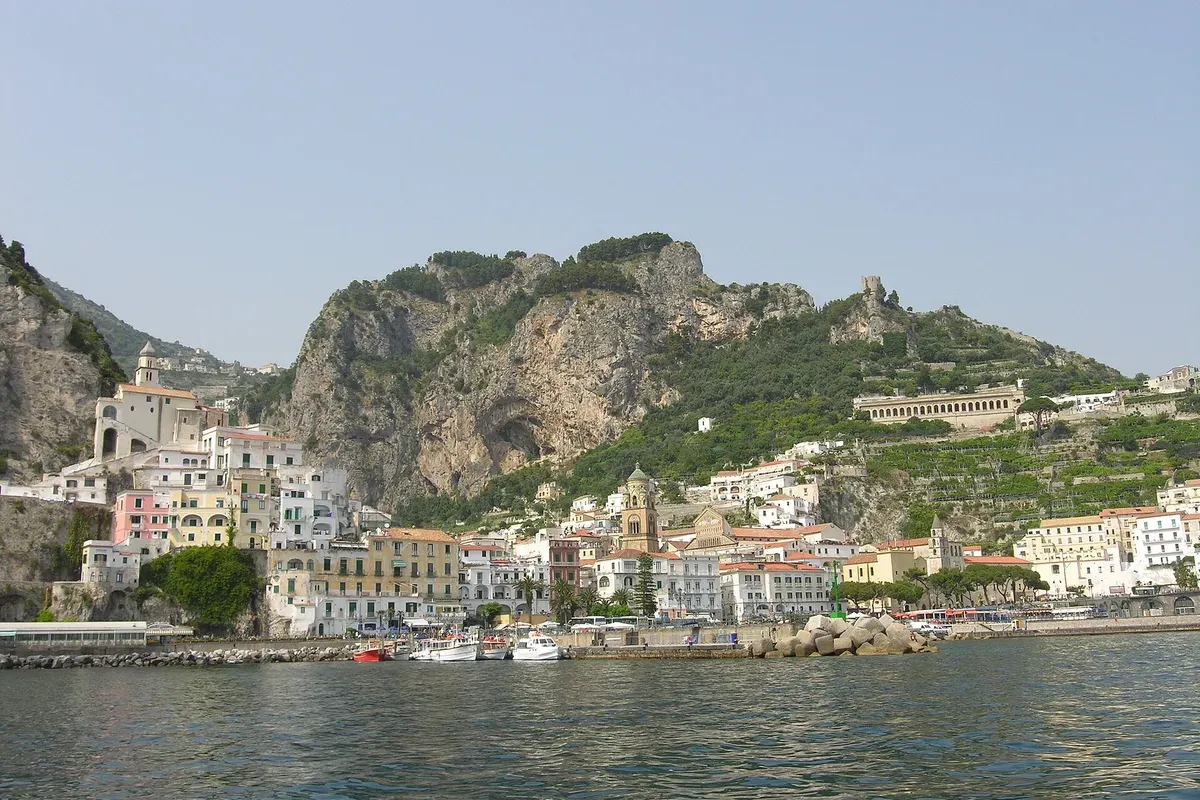
Driving the Amalfi Coast’s narrow SS163 coastal road—known as the Amalfitana—sounds romantic until you meet a tour coach on a blind cliffside bend with a 100-meter drop beside your mirror and €40-per-day parking lots already full by 9:30 AM. Even Italy introduces odd/even license plate restrictions on peak summer days to ease gridlock.
Leaving the car behind transforms the experience. High-speed Travelmar and NLG passenger ferries connect Salerno, Amalfi, Positano, and Sorrento directly harbor-to-harbor from April through October, turning every transit leg into a sea excursion while historic mule stairways link hilltop villages above the traffic.
Base Yourself Strategically: Salerno, Amalfi, or Minori
Rather than paying peak resort rates in Positano, consider two smarter hubs:
- Salerno (Smartest Rail Link): Direct Frecciarossa high-speed trains from Rome (2 hours) and Naples stop steps from Salerno’s ferry pier, with waterfront rooms costing half as much as Positano.
- Amalfi or Atrani / Minori: Sitting right at the coast’s midpoint, Amalfi serves as the central interchange for both ferries and SITA buses climbing inland to Ravello and Bomerano.
Check regional maritime and bus advisories via Italia.it and SITA Sud timetables.
Four-Day Car-Free Amalfi Itinerary
Day 1: Arrival via Salerno Ferry to Amalfi and Atrani
Step off the train in Salerno, walk five minutes to Piazza della Concordia pier, and board a 35-minute ferry along Cetara and Maiori into Amalfi. Spend the afternoon visiting the striped Arab-Norman Cathedral of St. Andrew and climbing the quiet medieval vaulted alleys linking Amalfi to tiny Atrani just around the headland.
Day 2: Ravello’s Clifftop Gardens and the Lemon Path
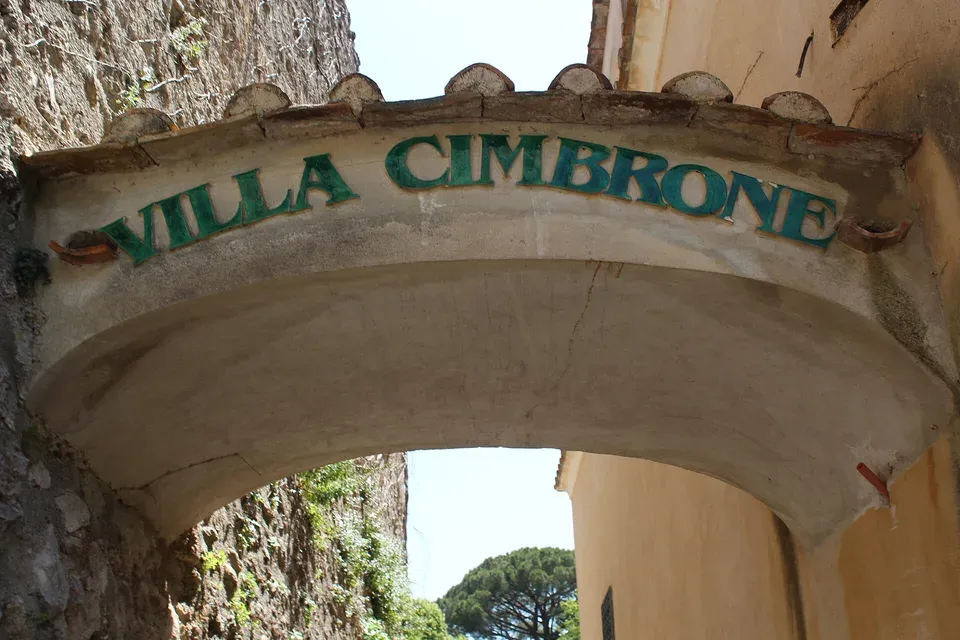
Catch an early SITA Sud bus up the hairpin road from Amalfi’s harbor square to Ravello (25 minutes), perched 365 meters above the sea. Tour Villa Rufolo and walk out to the Terrace of Infinity at Villa Cimbrone before midday buses fill up. Instead of waiting for a crowded return bus down, walk the historic Sentiero dei Limoni (Path of the Lemons) stairways downward through Minori or straight back down to Atrani through terraced citrus groves.
Day 3: Hiking the Path of the Gods to Positano
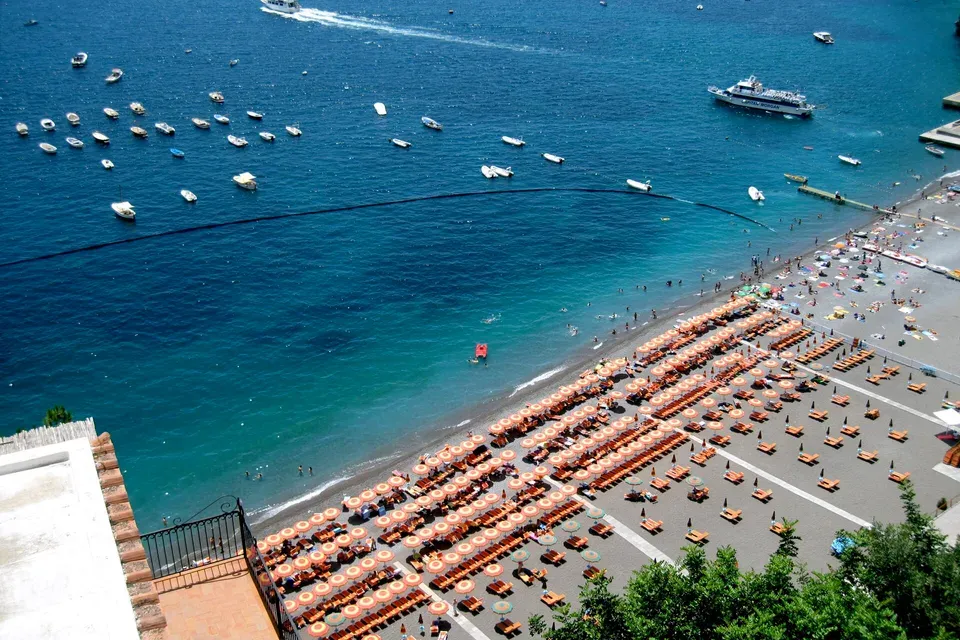
Board the early morning SITA bus from Amalfi to Bomerano (Agerola) to hike the Sentiero degli Dei (Path of the Gods)—a 7.5-kilometer ridge trail hovering above the Tyrrhenian Sea with sweeping views over Praiano and Capri. Finish by descending the 1,700 stone steps from Nocelle down into Positano for a late afternoon swim at Spiaggia Grande or quieter Fornillo Beach before taking the last afternoon ferry back.
Day 4: Morning Espresso in Positano or Vietri Ceramics
Depending on your departure rail hub, either ferry west to Sorrento (continuing by Circumvesuviana train toward Pompeii and Naples) or east to Vietri sul Mare to browse centuries-old hand-painted ceramics studios before catching your mainline train from Salerno.
Ferry, Bus, and Daily Expense Reference
| Transit / Expense Item | Typical Cost (EUR) | Insider Advice |
|---|---|---|
| Salerno to Amalfi ferry (Travelmar) | €10 one way | Sit on the upper open deck facing the coastline (north side) |
| Amalfi to Positano ferry | €10–€12 one way | Faster and cooler than the SITA bus during warm months |
| SITA Sud 24-hour coastal bus pass | €10 (Costiera Sita) | Buy paper tickets at tabacchi shops before boarding—no onboard sales |
| Villa Cimbrone / Villa Rufolo entry | €8–€10 each | Open early; bring water for the downhill stair walks |
| Casual seafood pasta & lemon granita | €18–€28 | Side-street trattorias in Atrani and Minori beat beachfront tourist menus |
Note that rough sea swells occasionally pause ferries during early spring or late autumn storms—keep one flexible backup day if visiting outside May–September, and pack light luggage since every cliffside town involves staircases.
Practical Local Etiquette, Packing, and Food Notes
- Staircase-friendly luggage: Even modest guesthouses in Positano, Ravello, and Amalfi often sit 80 to 200 stone steps above the main coastal road or ferry pier. Travelling with a 35-liter backpack instead of heavy hardside spinners saves sweat and expensive porter fees.
- SITA bus survival strategy: Always board outbound buses at their terminal origin (Amalfi harbor square or Sorrento rail station) fifteen minutes early—mid-route stops like Praiano frequently watch full buses drive straight past in peak afternoon hours.
- Regional dishes worth seeking: Look for scialatielli ai frutti di mare (thick handmade pasta ribbons with clams and mussels), limone sfusato lemon salads, crispy cuoppo fried seafood cones in Amalfi alleys, and delizia al limone sponge cakes in Minori’s historic pastry shops (Pasticceria Sal De Riso).
- Beach clubs vs. public spiaggia libera: Most sandy coves allocate sections to paid sunbed rows (€25–€50/set) alongside narrow free public zones—pack a lightweight microfiber towel if planning impromptu midday swims.
See our 35-liter carry-on packing guide and our Crete shoulder-season Mediterranean guide for similar coastal pacing.