In July and August, Mediterranean headlines fill with €300-a-night ferry-port rooms, 38°C archaeological queues, and sunbeds packed shoulder to shoulder. Yet just six weeks on either side of peak summer, Crete—Greece’s largest and most geographically varied island—operates at half the price and twice the charm.
Because Crete sits far south in the Aegean, the sea retains lingering summer warmth well into late October (22°C–24°C), mountain gorges stay cool enough for safe daytime hiking, and family-run tavernas have time to linger over complimentary raki and fresh fruit after meals.
May vs. Late September–October: Picking Your Shoulder Window
- May to Early June: Wildflowers blanket the White Mountains (Lefka Ori), snow still dusts Psiloritis peaks behind olive groves, and Samaria Gorge opens its full 16-kilometer trail down to the Libyan Sea without brutal summer heat. Water starts crisp (~20°C) in early May, warming steadily by June.
- Mid-September to Late October: The warmest swimming months of the shoulder calendar (23°C–25°C water), olive and grape harvests underway inland, and room rates dropping 35%–50% below August highs.
Verify national archaeological site schedules and ferry operators via Visit Greece’s official Crete portal.
Where Shoulder-Season Value Shines Most
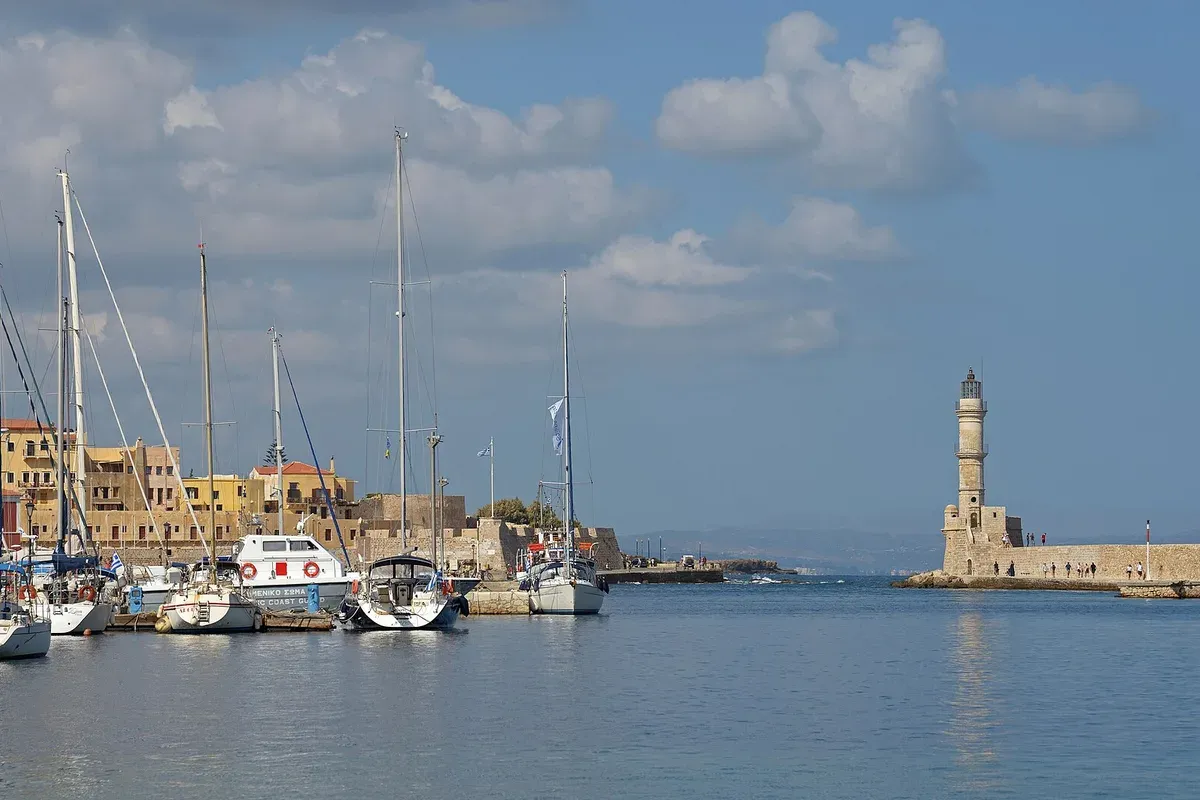
Chania and Rethymno Old Towns
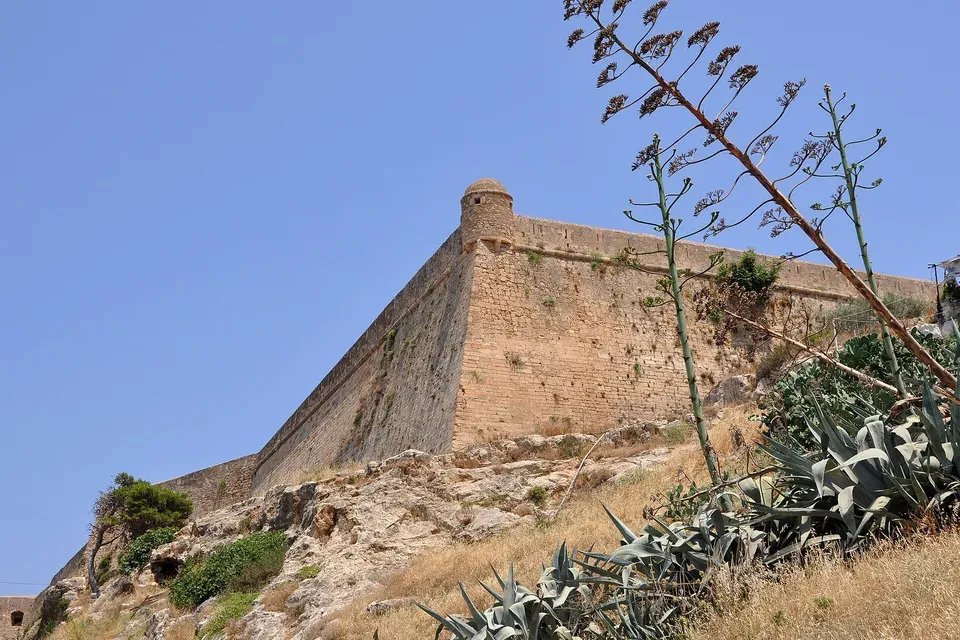
In peak summer, Venetian alleys behind Chania and Rethymno harbors crowd shoulder-to-shoulder at sunset. By October, restored Ottoman-Venetian townhouse guesthouses drop from €180+ down to €70–€105 per night, and tables along Rethymno’s quiet historic squares or Chania’s Splantzia quarter welcome walk-in diners effortlessly.
Western Lagoons Without 7:00 AM Parking Battles
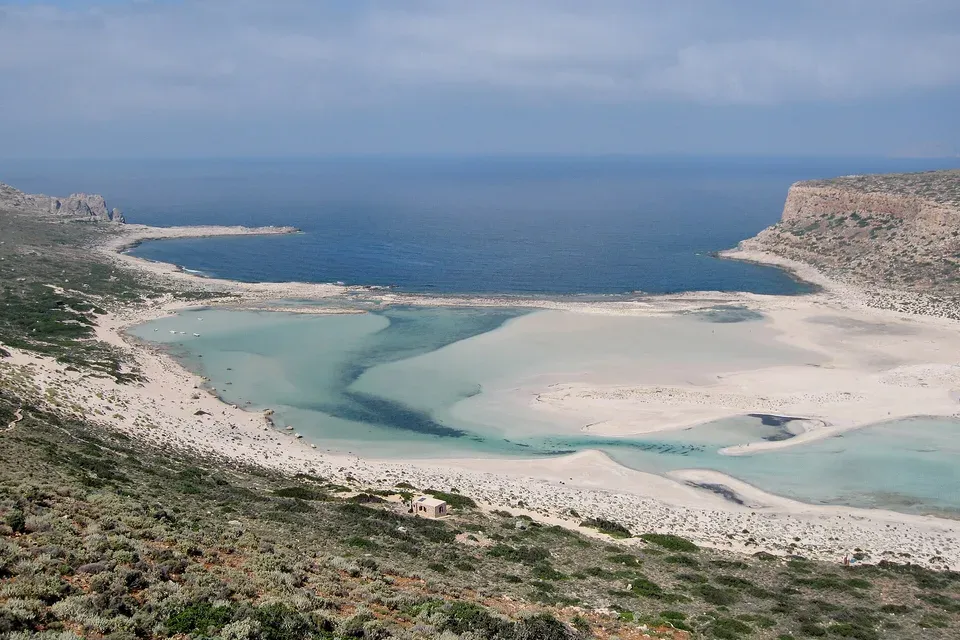
Famous beaches such as Balos Lagoon and pink-sand Elafonisi become stressful parking marathons in August. Visiting in late May or early October—still arriving early or taking the local morning boat from Kissamos—lets you enjoy crystalline turquoise shallows without beach umbrellas crowding every meter of shore.
Southern Coastal Villages by KTEL Bus or Budget Rental
Crete’s southern Libyan Sea coast—villages like Loutro (accessible only by ferry or footpath), Paleochora, and Plakias—stays wonderfully laid-back into late autumn. Small compact car rentals drop to €18–€28/day in May and October, while reliable KTEL Crete intercity buses link Heraklion, Rethymno, Chania, and major gorge trailheads cleanly for €5–€16 per ride.
Peak Summer vs. Shoulder Season Cost Snapshot
| Expense Item | August Peak | May / October Shoulder | Practical Savings |
|---|---|---|---|
| Historic Old Town boutique double | €160–€240 / night | €65–€115 / night | 45%–55% lower lodging costs |
| Compact manual rental car | €55–€90 / day | €18–€30 / day | Book local Cretan agencies directly with full CDW |
| Taverna dinner for two with wine | €42–€60 | €30–€45 | Eat inland in villages like Vamos or Archanes |
| Archaeological sites (Knossos, Phaistos) | €15–€20 | €15–€20 (half off Nov–Mar!) | Early morning arrival avoids mid-day bus groups |
Keep in mind that late October winds occasionally cancel small southern coastal ferry hops, and a few tiny seasonal beach tavernas close after October 25—focusing your stay near year-round towns like Chania, Rethymno, Heraklion, or Agios Nikolaos ensures lively cafés and reliable buses throughout autumn.
Getting to Crete and Splitting East vs. West
Crete spans nearly 260 kilometers end-to-end, so trying to day-trip from Heraklion to Elafonisi Lagoon means six hours of winding highway driving. For a one-week shoulder-season trip, divide your nights cleanly: spend four nights in western Crete (Chania or Rethymno) for Venetian old towns, Balos, Elafonisi, and Samaria Gorge, then shift east for two to three nights near Heraklion or Agios Nikolaos to visit Knossos Palace, the Heraklion Archaeological Museum (essential for Minoan frescoes), and serene Spinalonga Island.
Both Heraklion (HER) and Chania (CHQ) airports handle direct seasonal flights from Athens and across Europe—often costing under €40–€75 one way in May and October—while overnight ANEK / Minoan Lines ferries from Athens’ Piraeus port deliver classic Aegean deck arrivals for travelers carrying rail passes or camping gear.
Eating Well Like a Cretan Local
Cretan hospitality makes dining a highlight without straining budgets. Skip harborfront touts waving laminated photo menus and walk three blocks inland to neighborhood kafeneia and stone-oven bakeries: order crisp herb-stuffed kalitsounia pies, slow-baked dakos barley rusks topped with grated tomato and mizithra cheese, wild mountain greens (horta), and wood-roasted lamb—all anchored by single-estate olive oil poured straight from neighboring groves.
Hiking Samaria and Imbros Gorges Safely
May and late September–October offer ideal temperatures for Crete’s limestone gorges, yet spring flash-floods or autumn rains can briefly close Samaria Gorge after heavy storms. Wear broken-in trail runners or boots for seven hours on uneven river cobbles, carry two liters of water even though mountain springs dot the trail, and book the return KTEL bus + Agia Roumeli ferry bundle early in Chania so your afternoon boat back to Sougia or Hora Sfakion connects seamlessly.
Compare this timing strategy with our car-free Amalfi Coast guide or check our 35-liter packing checklist.