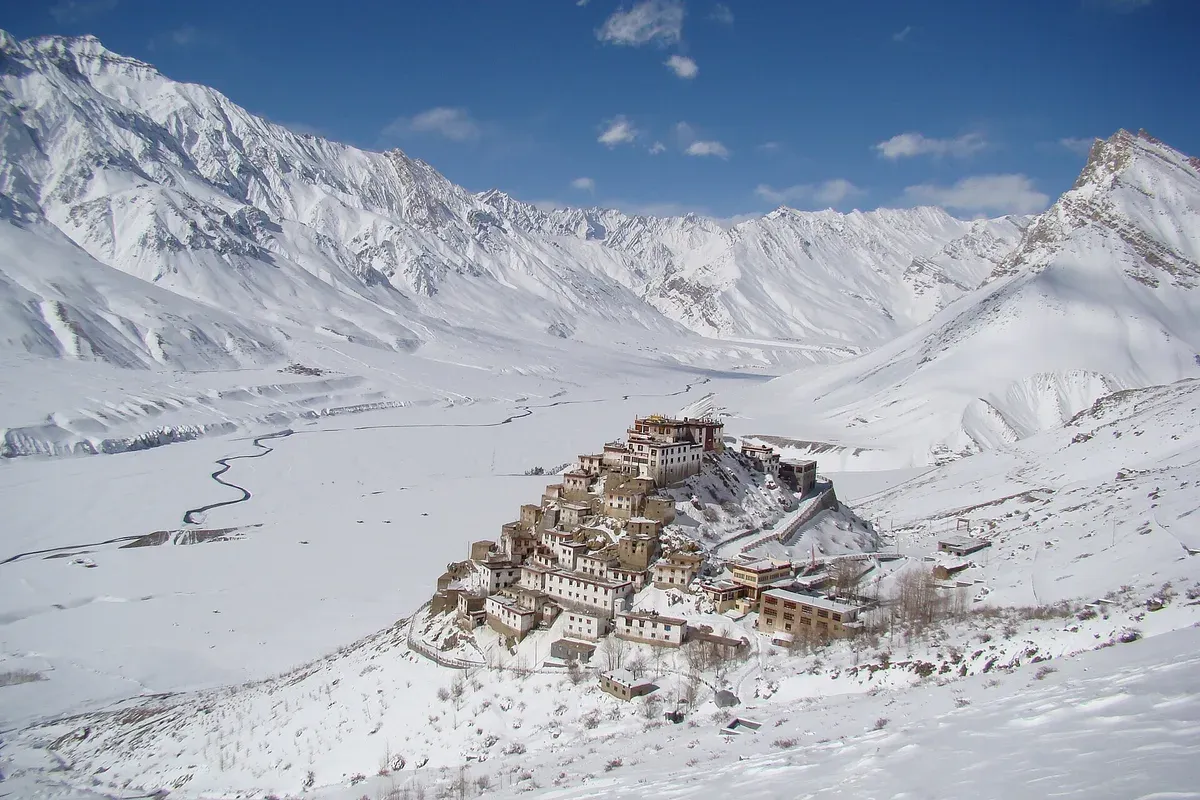
Tucked in the rain-shadow of the Greater Himalayas in northeastern Himachal Pradesh, Spiti Valley sits above 3,000 to 4,500 meters in elevation. Because monsoon clouds rarely clear the Pir Panjal barrier, its landscapes stay stark and luminous even when neighboring valleys turn foggy—ochre cliffs, braided snowmelt rivers, centuries-old mud-brick monasteries, and barley terraces stitched into gravel slopes.
Yet Spiti is not a casual weekend drive. Narrow cliffside highways, scarce fuel stations, patchy mobile coverage, and thin mountain air demand thoughtful pacing—especially regarding which direction you enter the valley.
Shimla–Kinnaur vs. Manali–Kunzum: Choosing Your Entry Route
Two roads connect Spiti to the outside world, and they behave very differently for human physiology:
- Via Shimla and Kinnaur (Recommended Entry): Climbing gradually along the Sutlej and Spiti rivers through Narkanda, Sangla/Kalpa, Nako (3,662 m), and Tabo (3,280 m) gives your body four to five days to adapt before reaching Kaza (3,650 m) and high-altitude villages like Kibber or Komic (4,587 m). This highway typically remains clear longer—often from April through November, barring winter landslides.
- Via Manali and Kunzum Pass (Best as Exit): Crossing the 4,551-meter Kunzum La directly from Manali (2,050 m) jumps more than 2,500 meters in a single day, frequently triggering acute mountain sickness (AMS). Kunzum La and the side road to Chandra Taal lake usually stay open only from mid-June to early October.
Always confirm road status through Himachal Pradesh Tourism or Lahaul-Spiti district updates before departing.
Key Stops Across the Cold Desert
Tabo and Dhankar Monasteries
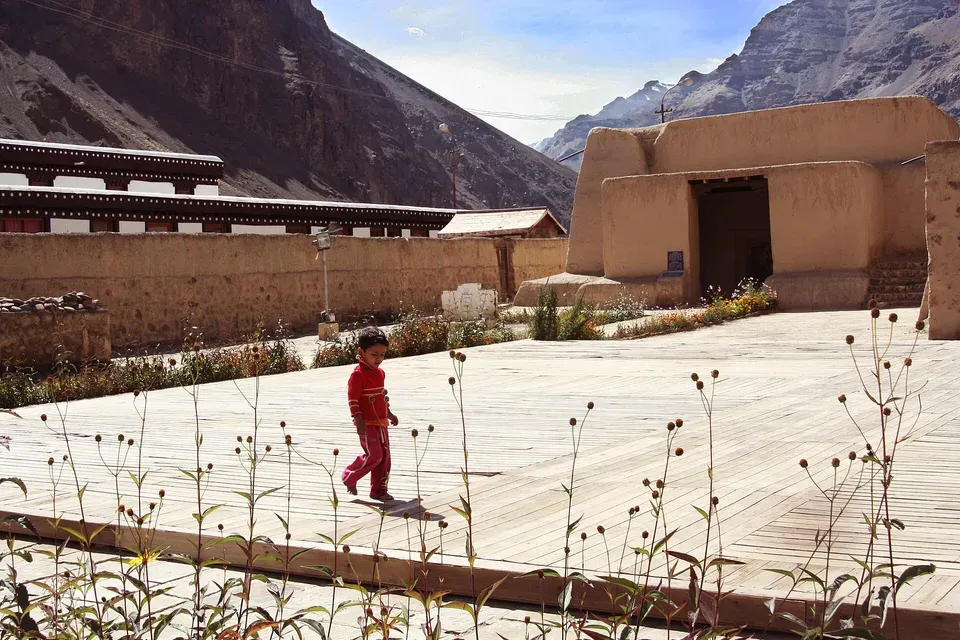
Founded in 996 CE, Tabo Monastery is one of the oldest continuously operating Tibetan Buddhist monasteries in the Himalayas. Its unassuming mud walls conceal remarkably preserved stucco sculptures and frescoes. Upstream, Dhankar Monastery balances dramatically above the confluence of the Spiti and Pin rivers, with a rewarding hour-long hike up to Dhankar Lake.
Kaza, Key Monastery, and High Villages
Kaza serves as Spiti’s administrative hub, offering ATMs, basic clinics, bakeries, and shared jeep stands. Twelve kilometers north stands Key (Kye) Monastery at 4,166 meters—a labyrinth of prayer halls and steep staircases overlooking the river bend. Nearby high-altitude hamlets—Kibber, Langza (famous for marine fossils), Hikkim (home to one of the world’s highest post offices), and Komic—sit between 4,270 and 4,587 meters, making them ideal day excursions once acclimatized.
Chandra Taal Lake
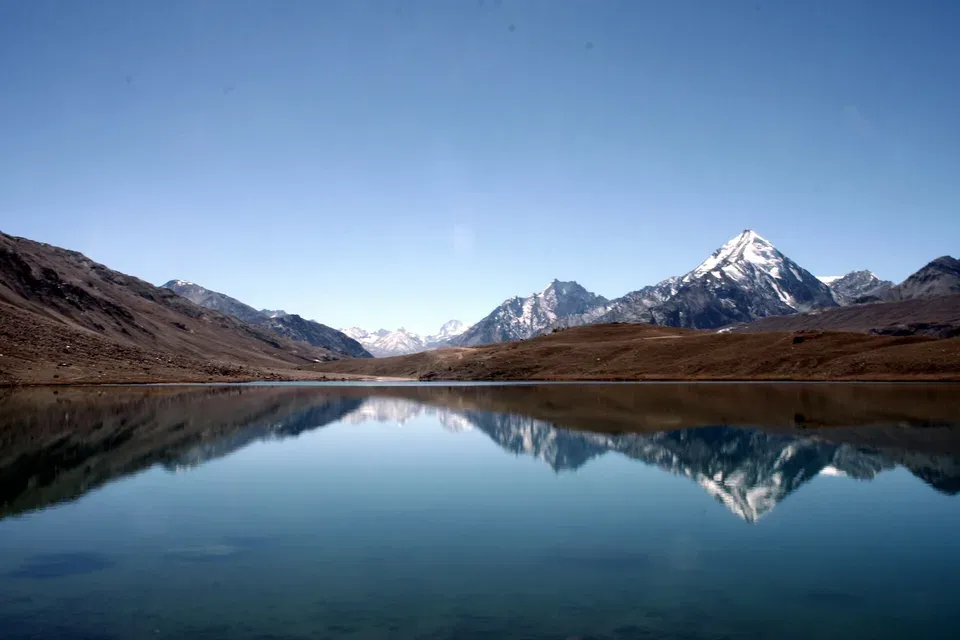
A crescent-shaped alpine lake at 4,250 meters near Kunzum Pass, Chandra Taal mirrors barren peaks in turquoise snowmelt on calm mornings. Overnight camping is restricted to designated eco-camp zones roughly two kilometers from the shoreline to protect fragile alpine wetlands.
Altitude Safety, Costs, and Connectivity
| Practical Detail | What to Expect | Planning Advice |
|---|---|---|
| Acclimatization rule | Mild headaches are common above 3,200 m | Spend 1–2 nights in Kalpa/Tabo; hydrate heavily; skip alcohol |
| Daily homestay budget | ₹1,200–₹2,200 per person (with meals) | Family homestays in Langza, Demul, and Mudh include local dinners |
| Public transport | HRTC buses run Shimla–Reckong Peo–Kaza | Daily morning buses link Kaza to Tabo and Losar in summer |
| Mobile & cash | BSNL works widest; Airtel/Jio patchy outside Kaza | Carry sufficient cash from Shimla/Reckong Peo; Kaza ATM runs dry |
| Permits | Indian nationals need no ILP; foreign travelers need PAP | Foreign citizens require a Protected Area Permit for Kinnaur–Spiti |
Carry high-SPF sunscreen, UV sunglasses, lip balm, and warm fleece layers—nighttime temperatures drop near freezing even in summer.
Suggested Seven-Day Shimla-to-Manali Circuit
Pacing Spiti over a full week allows healthy acclimatization while leaving buffer time for narrow-road delays:
- Day 1 — Shimla to Narkanda or Sarahan (2,165 m): Break the climb from Chandigarh or Shimla amidst apple orchards and pine ridges, checking vehicle brakes and spare tires before entering the Sutlej gorge.
- Day 2 — Kinnaur Gorge to Kalpa (2,960 m): Follow the dramatic Hindustan–Tibet cliff road past Wangtu and Karcham to Kalpa, waking up to crisp morning views of the 6,050-meter Kinner Kailash massif.
- Day 3 — Nako and Gue Mummy to Tabo (3,280 m): Cross the confluence at Khab where the Spiti River meets the Sutlej, stop by Nako’s willow-ringed pond, and settle into quiet Tabo.
- Day 4 — Dhankar Monastery & Pin Valley to Kaza (3,650 m): Explore Dhankar’s cliffside chapels and turn briefly into green Pin Valley (Mudh village—gateway to the Pin Parvati and Bhaba passes) before reaching Kaza.
- Day 5 — Key Monastery, Kibber, and Chicham Bridge: Cross Asia’s highest suspension road bridge at Chicham (4,145 m) after morning prayers at Key Monastery, keeping physical exertion gentle at 4,200 meters.
- Day 6 — Langza, Komic, and Hikkim Loop: Mail postcards from Hikkim, walk fossil-strewn meadows below Chau Chau Kang Nilda peak in Langza, and return early to rest.
- Day 7 — Losar, Kunzum Pass, and Chandra Taal to Manali: Depart Kaza before 6:30 AM to cross Kunzum La (4,551 m) while glacial meltwater streams across the gravel track remain lowest, visiting Chandra Taal before descending through the Atal Tunnel into Manali.
Responsible Travel in Fragile Mountain Villages
Water scarcity is acute across Spiti’s cold desert, where winter snowpack sustains summer barley fields. Refill reusable bottles using boiled or filtered water at homestays rather than buying single-use plastic water bottles—community-run water-refill stations in Kaza and Tabo drastically cut mountain waste. Dress respectfully inside monastery prayer halls, ask before photographing monks or elders, and give uphill vehicles clear right of way on single-lane cliff passes.
For broader mountain logistics, see our 35-liter multi-climate packing guide and our living root bridge guide to Meghalaya for another distinct Indian highland region.