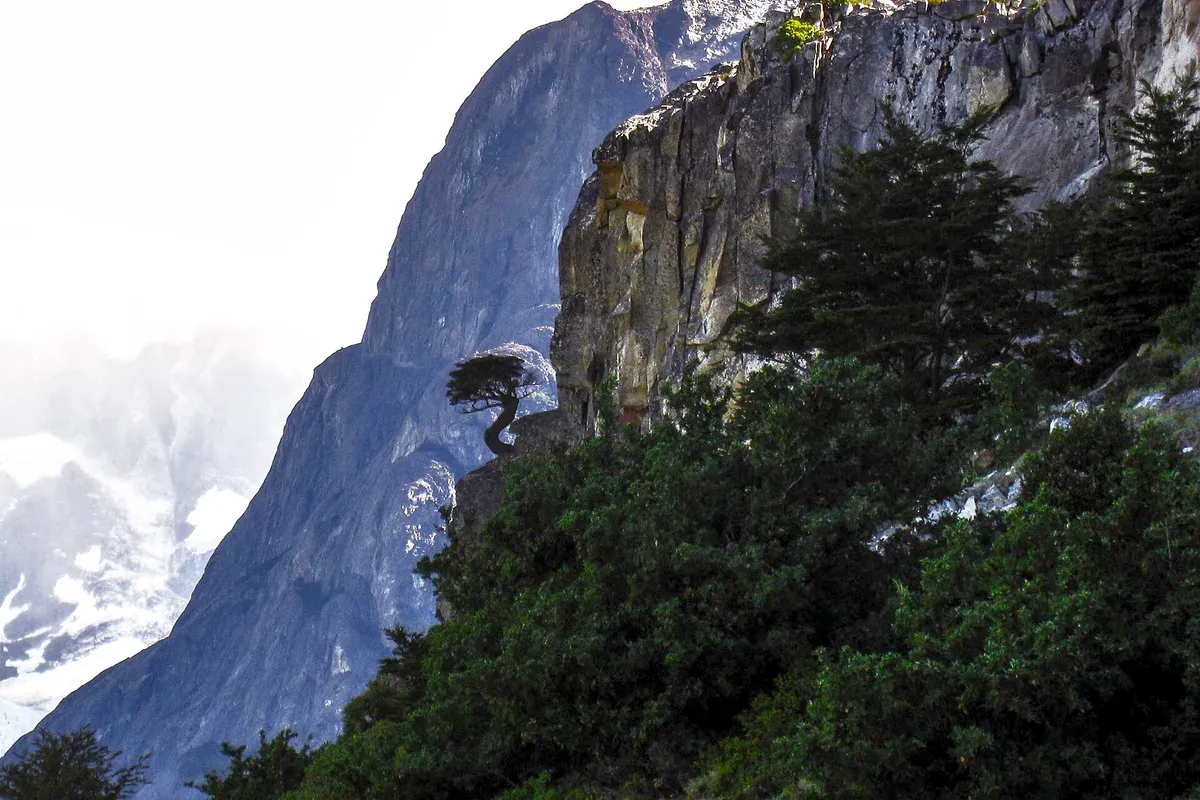
Stretching across the southern spine of the Andes between Chile and Argentina, Patagonia delivers raw glacial scale: granite needles piercing lenticular clouds, turquoise lakes fed by grinding icefields, and windswept coirón steppe where guanacos graze beneath condors. While multi-day circuits like the W Trek and O Circuit in Torres del Paine grab headlines, booking every campsite and refugio months in advance leaves little room for sudden Patagonian storms.
Pairing day-hike bases in Puerto Natales (Chile) and El Chaltén (Argentina) unlocks Patagonia’s grandest viewpoints—Base Las Torres, Laguna de los Tres, and Perito Moreno Glacier—with warm beds each night and the flexibility to pick your clearest weather window.
Seasonal Windows and Wind Reality
- November to January: Long 17-hour daylight windows and wildflowers across the steppe, paired with Patagonia’s strongest spring-summer winds (gusts regularly exceed 70–90 km/h).
- February to March: Slightly shorter days, calmer air, crisp autumn lenga beech color by late March, and peak mountain photography clarity.
- April: Early autumn gold and quiet trails, though higher refugios and buses begin shutting down after Easter.
Check official park entry tickets and trail alerts at CONAF / Pases Parques Nacionales (Chile) and Parques Nacionales Argentina.
Crossing the Border Between the Two Parks
Most overland travelers fly into Punta Arenas or Puerto Natales (Chile), or El Calafate (Argentina). Regular coach lines (Bus-Sur, Turismo Zaahj, Caltur) connect Puerto Natales to El Calafate in roughly five hours including the Paso Río Don Guillermo border crossing; from El Calafate, three-hour buses run north along Lago Viedma straight to El Chaltén.
Never pack fresh fruit, vegetables, seeds, or unsealed animal products when crossing into Chile—SAG agricultural border inspections strictly confiscate organic items and impose heavy fines.
Signature Day Hikes Worth Every Step
1. Mirador Base Las Torres (Torres del Paine, Chile)
The 20-kilometer round-trip climb from the Welcome Center ascends the windy Ascencio Valley, climbs a steep moraine boulder field, and emerges directly below the three vertical granite monoliths and glacial tarn. Start on the earliest 7:00 AM bus from Puerto Natales so you reach the upper moraine before afternoon squalls roll in.
2. Laguna de los Tres & Laguna Capri (El Chaltén, Argentina)
El Chaltén bills itself as Argentina’s trekking capital because trails start straight from town streets—no shuttle buses needed. The classic 22-kilometer hike to Laguna de los Tres climbs gently through southern beech forests before a steep final 400-meter rocky ascent directly facing Monte Fitz Roy (3,405 m).
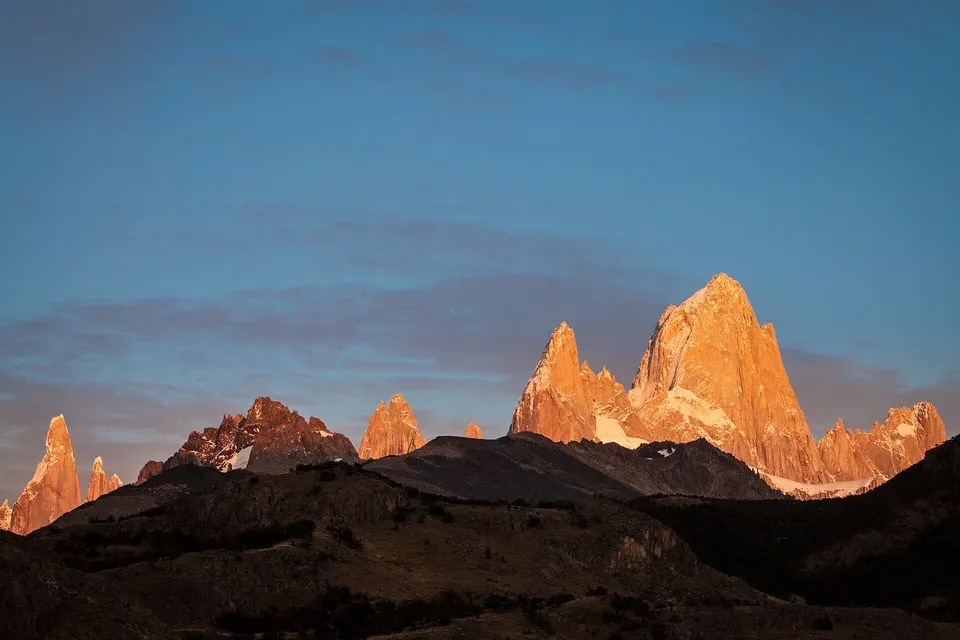
For a gentler recovery day, hike the ridge trail up to Loma del Pliegue Tumbado, or walk along the Fitz Roy valley floor to Laguna Torre.
3. Perito Moreno Glacier (El Calafate)
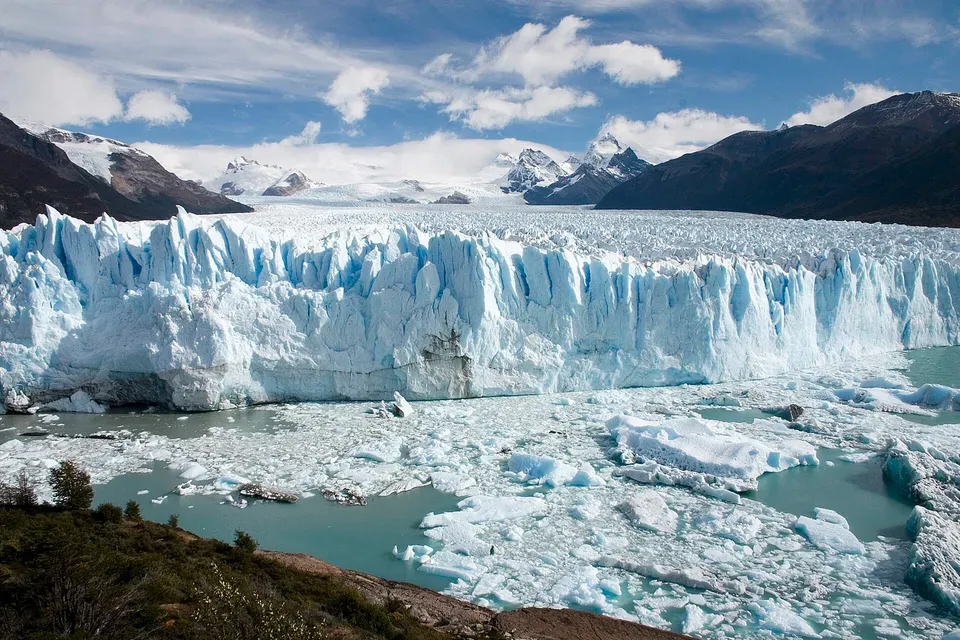
Sitting two hours west of El Calafate inside Los Glaciares National Park, the Perito Moreno Glacier forms a five-kilometer-wide ice wall rising sixty meters above Canal de los Témpanos. Accessible steel boardwalks let hikers watch massive seracs calve into turquoise water from multiple elevations.
Gear, Park Fees, and Safety Standards
| Item | Current Reality | Practical Tip |
|---|---|---|
| Weather layering | Four seasons in one afternoon | Waterproof shell, windproof gloves, beanie, and fleece required daily |
| Trekking poles | Essential on moraine descents & gale gusts | Rent locally in Puerto Natales or El Chaltén if flying carry-on only |
| Park tickets | Pre-purchase online before boarding buses | Both CONAF (Chile) and Los Glaciares (Argentina) require digital/card entry |
| Tap water & streams | Glacial silt is gritty; backcountry water varies | Filter mountain streams or carry 2L from town |
| Cash & exchange | Carry crisp USD or local cards | Keep Argentine and Chilean cash on hand for small bakeries and shuttle booths |
Suggested Seven-Day Two-Country Patagonia Pacing
- Day 1 — Puerto Natales Arrival & Costanera Walk: Fly into Punta Arenas (PUQ) or Puerto Natales (PNT), pick up trekking poles and trail snacks along Manuel Bulnes street, and watch black-necked swans along the Última Esperanza fjord.
- Day 2 — Base Las Torres Day Trek: Catch the 7:00 AM coach to Laguna Amarga, complete the 8-hour out-and-back hike to the towers, and return to Puerto Natales for grilled Patagonian lamb or seafood stew.
- Day 3 — Grey Glacier Navigation or Mirador Cuernos: Take a park bus to Pudeto for the short walk to Salto Grande and Mirador Cuernos, or ride the Lago Grey catamaran up to the calving blue ice wall.
- Day 4 — Overland Bus Across the Steppe to El Calafate: Watch wild rheas (choiques) and guanacos along Ruta 9/40 while crossing the border to El Calafate.
- Day 5 — Perito Moreno Glacier Boardwalks: Spend the morning walking all three balcony circuits facing the ice wall before catching a late-afternoon coach north to El Chaltén.
- Day 6 — Laguna de los Tres (Weather-Window Pick): Choose your clearest forecast morning for Fitz Roy’s glacier tarn, stopping by Mirador Piedras Blancas on the descent.
- Day 7 — Loma del Pliegue Tumbado & Return: Hike high above town for an eagle’s-eye view bridging both Mount Fitz Roy and Cerro Torre before your evening bus back to El Calafate airport.
For long-haul flight recovery before heading south to the Andes, read our jet-lag recovery strategy guide and our 35-liter multi-climate carry-on packing guide.